Summer Infant Changing Pads: A Parent's Guide to Comfort and Safety
Understanding the Importance of Changing Pads
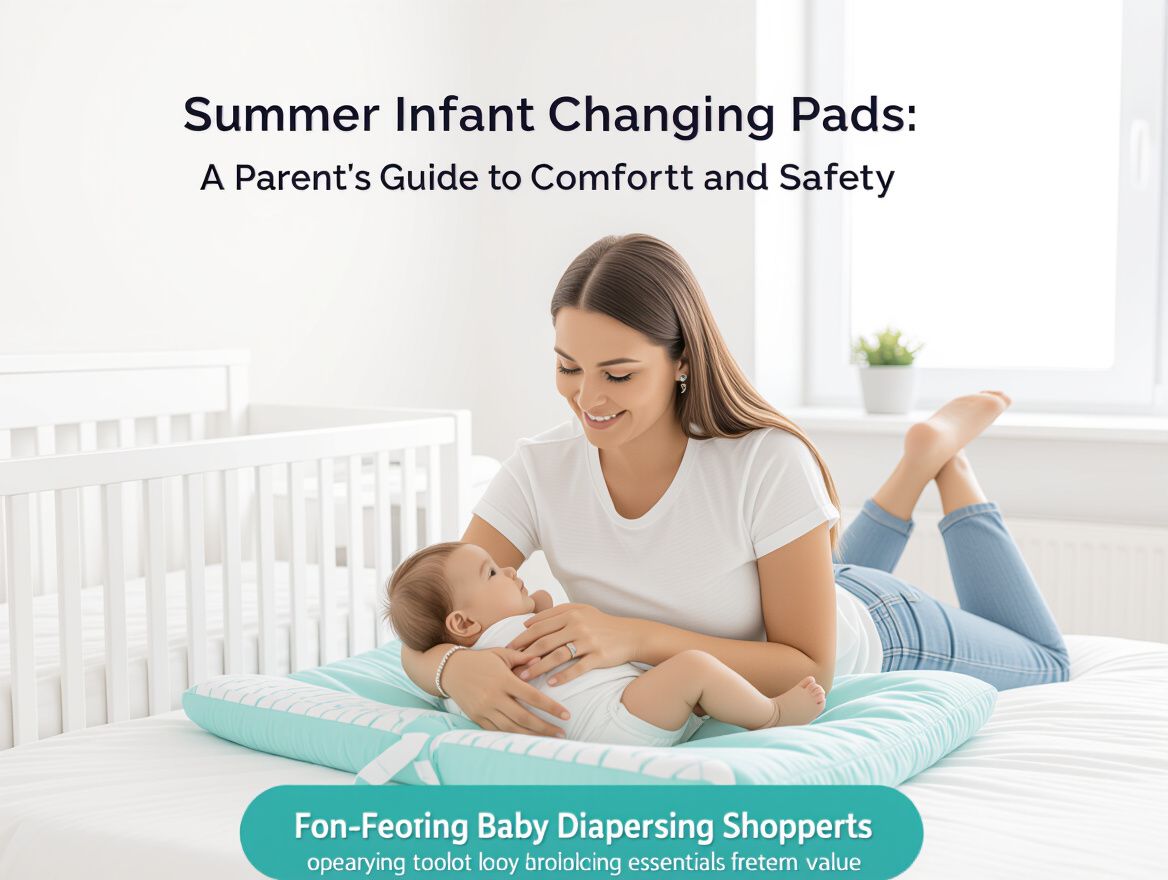
Changing pads play a vital role in the diaper-changing routine for new parents, offering a designated space that ensures both comfort for the baby and convenience for the caregiver. These pads not only help keep your baby secure during changes but also protect surfaces from spills and messes, making cleanup easier.
When assessing changing pads, safety features are paramount. Look for options with non-toxic materials, safety straps, and a secure base to prevent slipping. Additionally, comfort is crucial; a well-cushioned pad can make diaper changes more pleasant for your little one. Here are some key considerations:
- Material Safety: Ensure the pad is made from hypoallergenic materials to reduce the risk of skin irritation.
- Ease of Cleaning: Opt for pads that are easy to wipe down or machine washable to maintain hygiene.
- Size and Fit: Choose a pad that fits your changing table or designated changing area appropriately to avoid any safety hazards.
- Durability: Consider the longevity of the materials used, as some pads may wear out faster than others with frequent use.
By evaluating these features, new parents can select a changing pad that not only meets their needs but also prioritizes their baby's safety and comfort.
Key Features to Consider in Summer Infant Changing Pads
When evaluating Summer Infant changing pads, it's essential to focus on specific features that enhance comfort, safety, and usability. Here’s a checklist to guide your decision-making process:
-
Material Safety and Ease of Cleaning:
- Ensure the changing pad is made from non-toxic, hypoallergenic materials to safeguard your baby's health.
- Look for pads with removable, machine-washable covers for easy cleaning and maintenance, as this will save time and enhance hygiene.
-
Size and Portability:
- Consider the dimensions of the changing pad to ensure it fits your changing table or designated space comfortably.
- If you plan to travel, check for lightweight and foldable options that allow for easy transport without compromising on comfort.
-
Non-Slip Surfaces and Safety Features:
- Opt for changing pads with a non-slip bottom to prevent accidental slipping, ensuring your baby's safety during changes.
- Examine any additional safety features, such as safety straps or raised edges, that help keep your baby secure while on the pad.
By focusing on these key features, you can make a more informed choice that aligns with your family's needs and enhances the diaper-changing experience.
Evaluating Trade-offs: Comfort vs. Functionality
When selecting a Summer Infant changing pad, new parents must navigate the balance between comfort and usability. The materials and design of these pads play a crucial role in determining both aspects, which can significantly impact the changing experience for both the baby and the caregiver.
Material Impact on Comfort and Usability
-
Foam vs. Plush Materials: Foam changing pads tend to offer a firmer surface, which can be beneficial for stability during diaper changes. However, overly plush pads may provide a soft feel that some parents perceive as more comfortable. The trade-off here is that while plush pads can feel cozy, they may not offer the same level of support, making it harder to secure the baby during changing.
-
Water-Resistant Covers: Many Summer Infant changing pads come with water-resistant covers that enhance usability. These covers make cleaning easier, which is essential for maintaining hygiene. However, some parents might find that these materials can be less breathable, potentially affecting the baby's comfort during longer changes.
Downsides of Overly Plush vs. Firmer Pads
-
Safety Concerns: An overly plush changing pad may pose safety risks, as it can create a risk of slipping or rolling. It's essential for parents to consider the stability of the pad when selecting a softer option. A firmer pad, while less plush, typically offers better security during diaper changes.
-
Ease of Use: A changing pad that is too soft can be challenging to maneuver, especially when trying to secure a squirming baby. Parents should evaluate how easy it is to position their child on the pad and whether the pad allows for quick and efficient changes without compromising safety.
In summary, while comfort is a priority for many parents, usability and safety should not be overlooked. Evaluating the trade-offs between different materials and their implications on the changing experience can help parents make informed decisions when choosing the right Summer Infant changing pad.
Risks and Considerations When Choosing Changing Pads
Selecting the right changing pad for your baby is crucial, but it's essential to be aware of potential risks and considerations that can impact your decision. Here are some common pitfalls to keep in mind:
-
Durability Concerns: Over time, changing pads can experience wear and tear. Look for pads made from high-quality materials that will withstand daily use without losing their shape or functionality. Pay attention to customer reviews regarding the longevity of specific models.
-
Potential Allergens: Many changing pads are made from various materials that may contain allergens. Check for certifications or labels indicating that the materials are free from harmful chemicals, such as phthalates or BPA. If your baby has sensitive skin, opting for hypoallergenic options can minimize the risk of irritation.
-
Ease of Cleaning: Changing pads can encounter messes frequently. Consider how easy it is to clean the pad, as some materials may stain or retain odors. Waterproof covers or removable, washable covers can significantly reduce maintenance hassle.
-
Fit and Compatibility: Not all changing pads fit all changing tables or surfaces. Measure your space and ensure that the pad you choose fits securely without slipping. A poorly fitting pad could lead to safety hazards during diaper changes.
-
Weight Limitations: Some changing pads have weight limits. Ensure that the pad you select can accommodate your baby's growth, as you will want to use it for an extended period.
By considering these factors, you can better evaluate the suitability of Summer Infant changing pads for your needs, ensuring a safe and comfortable experience for both you and your baby.
Frequently Asked Questions About Summer Infant Changing Pads
As new parents explore options for changing pads, understanding key features and maintenance practices can significantly enhance their experience. Here are some common questions that often arise:
What makes Summer Infant changing pads stand out?
Summer Infant changing pads are designed with both comfort and safety in mind. Key features include:
- Safety Standards: Many models comply with safety regulations, ensuring that they are free from harmful materials.
- Comfortable Design: The pads often feature a soft, cushioned surface that provides a comfortable space for babies during diaper changes.
- Non-Slip Base: A non-slip bottom helps keep the pad securely in place, reducing the risk of movement during use.
These attributes make Summer Infant changing pads appealing for parents seeking reliable and safe options.
How do I maintain and clean the changing pad effectively?
Proper maintenance is crucial for hygiene and longevity. Here are some effective cleaning tips:
- Wipe Down Regularly: Use a damp cloth with mild soap to wipe the surface after each use.
- Machine Washable Covers: If the pad has a removable cover, check if it's machine washable for deeper cleaning.
- Avoid Harsh Chemicals: Stick to gentle cleaners to avoid damaging the material or leaving harmful residues.
By following these practices, parents can ensure their changing pad remains clean and safe for their baby.
Are there any safety certifications I should look for?
When selecting a changing pad, it's essential to consider safety certifications. Look for:
- JPMA Certification: This indicates the product meets or exceeds safety standards set by the Juvenile Products Manufacturers Association.
- ASTM Compliance: Make sure the pad complies with ASTM International standards, which focus on product safety.
Checking for these certifications can help parents feel more confident in their choice, knowing they are investing in a product that prioritizes safety.
Comparing Summer Infant Changing Pads with Alternatives
When it comes to selecting a changing pad, understanding how Summer Infant changing pads stack up against competitors is crucial for new parents. Here’s a side-by-side analysis that highlights differentiating features, pricing, and overall value.
Key Features
-
Material Composition:
- Summer Infant pads often utilize non-toxic and hypoallergenic materials, which can be a significant advantage over some alternatives that may include harmful chemicals.
- Many competitors might not provide the same level of assurance regarding material safety, making it essential to read product specifications closely.
-
Ease of Cleaning:
- Summer Infant changing pads frequently come with removable, machine-washable covers, enhancing hygiene and convenience.
- In contrast, some brands may offer non-removable covers that can complicate cleaning, leading to potential hygiene concerns.
-
Safety Features:
- Look for features like non-slip surfaces and safety straps in Summer Infant products, which are designed to keep your baby secure during changes.
- Some alternatives may lack these safety features, increasing the risk of slips during diaper changes.
Price Points and Value
-
Competitive Pricing:
- Summer Infant changing pads typically fall within a mid-range price bracket, offering a balance between affordability and quality.
- While some budget options may be available from other brands, they might compromise on safety or comfort features.
-
Long-Term Value:
- Investing in a Summer Infant changing pad could provide better long-term value due to its durability and ease of maintenance.
- Cheaper alternatives might save you money upfront but could result in higher costs over time due to replacements or additional cleaning efforts.
Trade-Offs and Considerations
-
Size and Fit:
- Ensure that the dimensions of Summer Infant pads match your changing table or designated area. This is a common consideration that applies to all brands.
- Some competitors may offer larger or smaller options, which could better suit specific space constraints but may lack the same comfort features.
-
Portability:
- If you require a changing pad for on-the-go use, assess the portability of Summer Infant options compared to other brands. Many Summer Infant products are designed for easy transport, while others may be bulkier.
By evaluating these criteria and trade-offs, you can make a more informed decision about whether Summer Infant changing pads align with your family's needs compared to other available options.
Making the Right Choice for Your Baby
Selecting the right Summer Infant changing pad is crucial for ensuring a comfortable and safe diaper-changing experience for both you and your baby. As you weigh your options, consider the following aspects to make an informed decision:
-
Comfort and Support: A well-padded changing pad can enhance your baby's comfort during diaper changes. Look for options that offer adequate cushioning without compromising safety.
-
Safety Features: Prioritize pads with safety measures such as non-slip surfaces and secure straps. These features help prevent accidents and ensure your baby remains secure while being changed.
-
Ease of Maintenance: Choose changing pads that are easy to clean and maintain. Removable covers that are machine washable can save you time and effort in keeping the pad hygienic.
-
Fit for Your Space: Measure your changing table or designated area to ensure the pad fits well. A properly sized pad will not only enhance usability but also prevent any potential hazards from overhanging edges.
By considering these criteria, you can confidently choose a Summer Infant changing pad that meets your family's needs while prioritizing comfort and safety. This thoughtful approach will ultimately enhance your diaper-changing routine and provide peace of mind as a new parent.