The Benefits of Washable Changing Pads for Eco-Conscious Parents
Why Choose Washable Changing Pads?
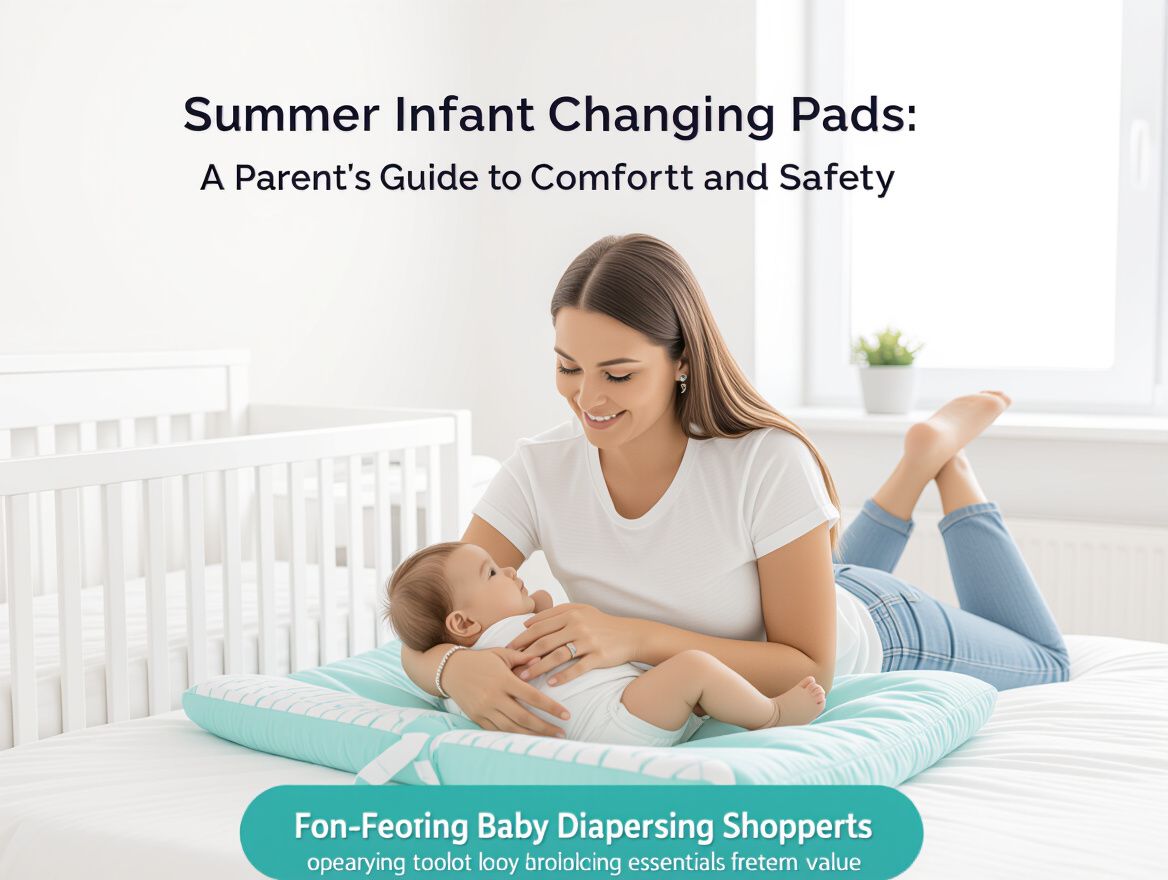
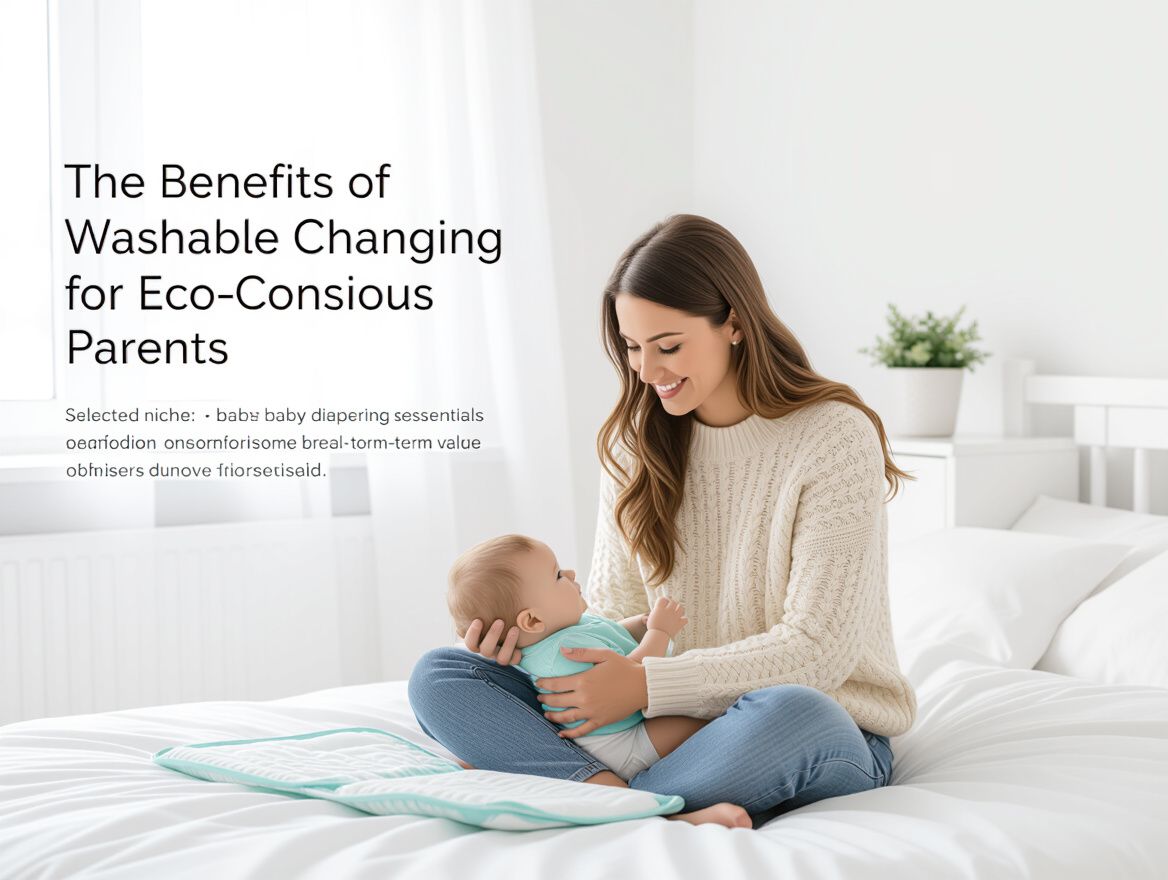
Washable changing pads are a sustainable solution for eco-conscious parents seeking to minimize their environmental impact while managing diaper changes. Unlike disposable alternatives, these pads are designed to be reused, which significantly reduces waste. Made from durable, machine-washable materials, they are not only practical but also contribute to a greener lifestyle.
Market trends indicate a growing demand for eco-friendly baby products, reflecting an increasing awareness among parents about the importance of sustainability. As more families opt for environmentally responsible choices, washable changing pads are gaining popularity for their blend of convenience and eco-friendliness.
In terms of cost savings, while the initial investment in washable changing pads may be higher than disposable options, the long-term financial benefits are considerable. Parents can save money over time by avoiding the recurring costs of disposables. Here are some key factors to consider:
- Environmental Impact: Reduces landfill waste and supports sustainable practices.
- Cost Efficiency: Savings accumulate over time as you eliminate the need for constant repurchasing.
- Durability: Quality washable pads can withstand numerous washes, maintaining their effectiveness.
- Convenience: Easy to clean and maintain, providing a practical solution for busy parents.
By choosing washable changing pads, parents not only support their child's needs but also contribute positively to the planet, making a thoughtful choice that benefits both their family and the environment.
Key Benefits of Washable Changing Pads
For eco-conscious parents, the choice of changing pads can significantly impact both the environment and family budget. Washable changing pads offer several advantages that align with sustainable parenting practices.
Environmental Impact and Waste Reduction
- Less Waste: Disposable changing pads contribute to landfill overflow, whereas washable options can be reused countless times, drastically reducing waste.
- Resource Conservation: The production of disposable pads requires significant resources, including trees and water. By opting for washable pads, parents minimize their ecological footprint.
Cost-Effectiveness Over Disposable Options
- Long-Term Savings: Although the initial investment in washable changing pads may be higher, they can save money over time compared to continually purchasing disposable pads.
- Durability: Many washable pads are designed to withstand multiple washes without losing their integrity, enhancing their value.
Comfort and Safety for the Baby
- Soft Materials: Washable changing pads are often made from soft, breathable fabrics, providing a comfortable surface for diaper changes.
- Non-Toxic Options: Parents can choose pads made from organic or hypoallergenic materials, ensuring a safe environment for their baby without harmful chemicals found in some disposable products.
Durability and Longevity of Materials
- High-Quality Construction: Many washable changing pads are crafted from durable materials that can endure frequent washing, making them a reliable choice for daily use.
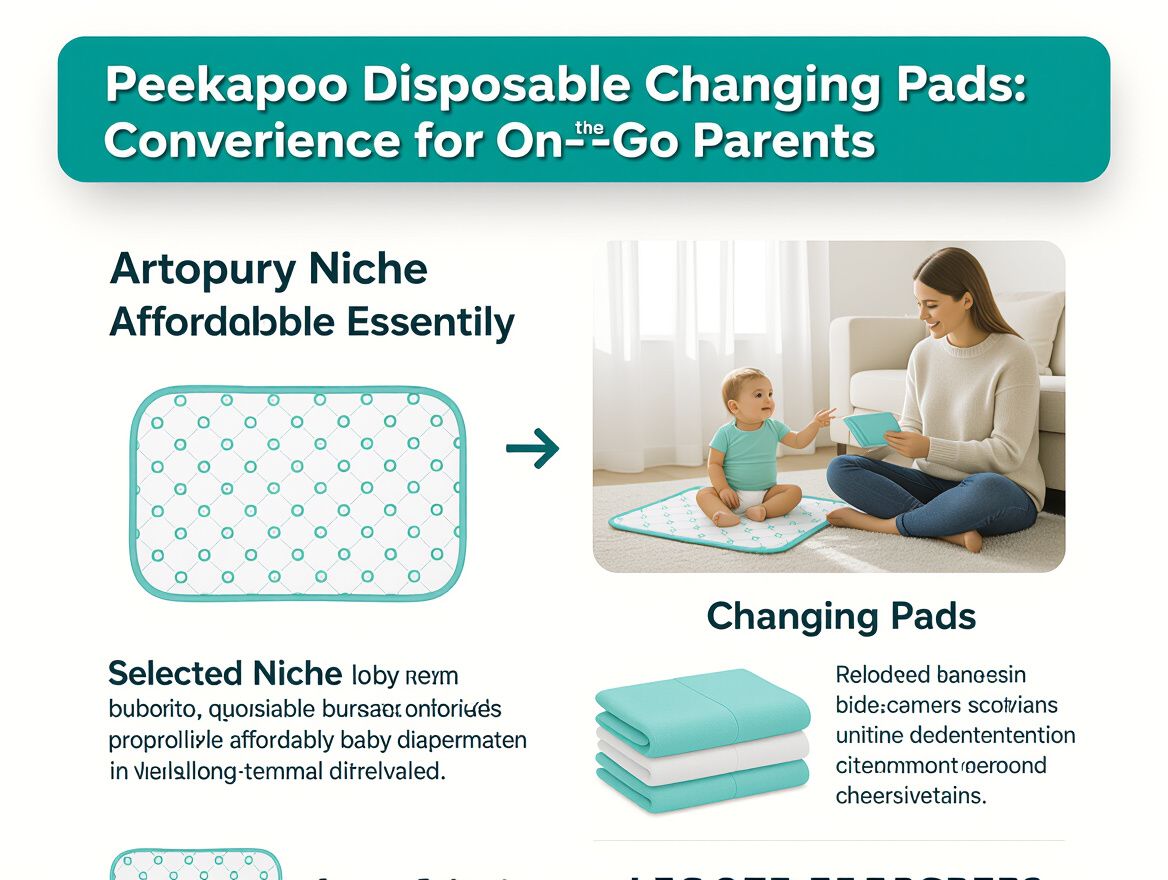
- Versatile Use: Beyond diaper changes, these pads can serve other purposes, such as play mats or protective surfaces during feeding, extending their usability.
By carefully considering these benefits, eco-conscious parents can make informed decisions about transitioning to washable changing pads, aligning their choices with sustainable living and financial prudence.
Important Features to Consider
When evaluating washable changing pads, it’s essential to consider several key features that align with both eco-conscious values and practical parenting needs. This checklist will help you assess the suitability of various options.
-
Material Composition and Hypoallergenic Properties: Look for pads made from organic cotton or bamboo, which are not only more sustainable but also less likely to irritate your baby's sensitive skin. Hypoallergenic materials can reduce the risk of allergic reactions, making them a safer choice for your little one.
-
Size and Portability: Consider the dimensions of the changing pad. A larger pad may provide more comfort, but it could be less portable. If you plan to travel or need to change diapers on-the-go, a compact and lightweight option might be more practical without sacrificing comfort.
-
Ease of Cleaning and Maintenance: Washable changing pads should be easy to clean. Look for options that are machine washable and quick-drying. Some pads also feature removable covers, which can simplify the cleaning process and keep the pad fresh.
-
Absorbency and Leak-Proof Characteristics: Ensure the changing pad has sufficient absorbency to handle spills and leaks. Some pads come with a waterproof backing, which can prevent moisture from seeping through and protect surfaces underneath.
By keeping these features in mind, you can make a more informed decision about which washable changing pad best fits your eco-friendly lifestyle and parenting needs.
Potential Trade-Offs and Considerations
When considering the switch to washable changing pads, eco-conscious parents should weigh several important trade-offs. While these pads offer significant environmental benefits and potential cost savings, there are also some considerations that may influence your decision.
-
Initial Investment vs. Long-Term Savings: Washable changing pads typically require a higher upfront investment compared to disposable options. However, over time, the cost of repeatedly purchasing disposables can far exceed the one-time purchase of washable pads. It's essential to calculate your expected usage to determine if the long-term savings align with your budget.
-
Time and Effort Required for Washing and Drying: Using washable changing pads means you'll need to incorporate them into your laundry routine. This involves washing and drying them regularly, which can be a significant time commitment for busy parents. Consider whether you have the capacity to manage this additional task without feeling overwhelmed.
-
Performance Compared to High-Quality Disposables: While many washable pads are designed to be absorbent and leak-proof, they may not always match the performance of top-tier disposable pads. Some parents find that disposables offer superior convenience and immediate absorbency, particularly during long outings. Evaluating your specific needs, such as how often you change your baby and where you typically do so, is crucial in assessing whether washable pads will meet your expectations.
By carefully considering these factors, you can make an informed decision about whether washable changing pads are the right fit for your parenting style and eco-conscious values.
Frequently Asked Questions
When considering washable changing pads, eco-conscious parents often have several questions. Here are some common concerns and answers to help guide your decision.
How do washable changing pads compare to disposable ones?
Washable changing pads present a sustainable alternative to disposable options. The key benefits include:
- Environmental Impact: Washable pads reduce waste significantly since they can be reused multiple times, whereas disposable pads contribute to landfill accumulation.
- Cost Savings: Over time, the investment in washable pads can lead to considerable savings compared to continuously purchasing disposable pads.
- Health and Safety: Many washable pads are made from organic materials, reducing exposure to chemicals often found in disposable options.
What is the best way to clean and maintain them?
To ensure longevity and hygiene, follow these cleaning tips:
- Machine Washable: Most washable changing pads can be thrown in the washing machine. Use a gentle cycle with cold water to preserve fabric integrity.
- Air Dry: Air drying is often recommended to avoid shrinkage and maintain shape, although some pads may be tumble-dry safe.
- Spot Cleaning: For quick clean-ups, spot cleaning with a mild detergent can be effective, especially for minor messes.
Are there any specific brands known for quality?
While specific brand recommendations are not included here, consider looking for brands that emphasize eco-friendly materials and positive customer reviews. Check for certifications, such as Oeko-Tex or GOTS, which can indicate a commitment to sustainable practices.
Can they be used for other purposes beyond changing?
Absolutely! Washable changing pads are versatile and can be used for:
- Play Mats: They can serve as a soft surface for playtime, providing a safe area for your baby.
- Pet Pads: Some parents repurpose them as training pads for pets or as a protective layer in pet carriers.
- Travel: They can be helpful as portable changing surfaces when out and about, ensuring your baby has a clean place for diaper changes.
By addressing these frequently asked questions, eco-conscious parents can better understand the benefits and practicalities of incorporating washable changing pads into their parenting routine.
Making the Switch to Washable Changing Pads
In summary, transitioning to washable changing pads presents a range of benefits that align with eco-conscious parenting. These pads not only reduce waste compared to disposable alternatives but also offer significant cost savings over time. Here are the key points to consider:
-
Environmental Impact: By choosing washable changing pads, you are actively reducing the amount of waste generated by single-use products. This choice contributes to a more sustainable lifestyle, which is crucial for the environment.
-
Cost Efficiency: Although the initial investment in washable pads may be higher, they can save parents money in the long run by eliminating the need for constant repurchasing of disposable pads.
-
Health and Safety: Many washable changing pads are made from organic or hypoallergenic materials, which can be safer for your baby compared to conventional disposable options that may contain harmful chemicals.
-
Maintenance Considerations: While washable pads require regular washing, most are designed to be easy to clean and maintain. Consider your lifestyle and the convenience factor when making the switch.
Before deciding, evaluate your family's specific needs and preferences. Consider how often you change diapers, your washing routine, and any sensitivities your baby may have. Making the switch to washable changing pads can be a meaningful step towards a more sustainable and financially savvy parenting approach.