Choosing the Right Infant Changing Pads for Your Baby
Understanding Infant Changing Pads
Selecting the right infant changing pad is a crucial aspect of infant care that can significantly enhance both convenience and safety during diaper changes. Infant changing pads are specially designed surfaces that provide a clean, comfortable area for parents to change their baby's diaper. They come in various shapes, sizes, and materials, catering to different needs and preferences.
Importance of Choosing the Right Changing Pad
- Safety: A well-designed changing pad can help prevent slips and falls, keeping your baby secure during diaper changes.
- Hygiene: Many changing pads feature waterproof covers or materials that are easy to clean, ensuring a sanitary environment for your infant.
- Comfort: The right pad will offer adequate cushioning, making diaper changes more comfortable for your baby.
Things to Consider
When evaluating infant changing pads, consider the following criteria:
- Material: Look for non-toxic, hypoallergenic materials that are safe for your baby’s skin.
- Size and Fit: Ensure the pad fits your changing table or designated changing area. A pad that is too large or small may not provide the necessary support.
- Portability: If you travel frequently, consider a changing pad that is lightweight and easy to transport.
- Ease of Cleaning: Check if the pad has removable covers or is machine washable to simplify maintenance.
By understanding these factors, new parents can make informed choices that align with their specific needs while ensuring a safe and comfortable experience for their infants.
Key Criteria for Choosing Infant Changing Pads
When selecting the right infant changing pad, parents should consider several essential features to ensure safety, comfort, and ease of use. Here’s a checklist to guide your decision-making process:
-
Material Safety and Comfort
- Look for changing pads made from non-toxic, hypoallergenic materials. This minimizes the risk of skin irritation and allergic reactions.
- Ensure the surface is soft and comfortable for your baby, as they will spend a significant amount of time on it during diaper changes.
-
Size and Portability
- Assess the dimensions of the changing pad to ensure it fits your changing table or designated changing area. A pad that’s too small may not provide adequate coverage, while one that’s too large can be cumbersome.
- Consider the weight and foldability of the pad if you plan to travel or move it frequently. Lightweight, portable options can be beneficial for on-the-go parents.
-
Ease of Cleaning and Maintenance
- Choose a changing pad with a waterproof cover or one that can be easily wiped down. This feature helps maintain hygiene and simplifies cleaning after messy diaper changes.
- Check if the cover is removable and machine washable for added convenience, ensuring that you can keep the pad clean without much hassle.
By evaluating these criteria, parents can make informed choices that cater to their specific needs and concerns when it comes to infant changing pads.
Potential Risks of Using Changing Pads
When selecting an infant changing pad, it's crucial to be aware of potential risks that could affect your baby's safety and comfort. Understanding these risks can help parents make informed decisions and ensure a secure changing environment.
-
Risk of Inadequate Support: Some changing pads may not provide adequate support for your infant, leading to discomfort or even potential injury. Look for pads with a firm yet cushioned surface that helps keep your baby secure during diaper changes.
-
Potential for Allergens in Materials: Many changing pads are made from various materials, some of which may contain allergens or harmful chemicals. It's essential to choose pads made from hypoallergenic materials or those specifically labeled as non-toxic to minimize the risk of skin irritation or allergic reactions.
-
Importance of Proper Usage and Supervision: Changing pads should always be used according to the manufacturer's instructions. Additionally, never leave your baby unattended on a changing pad, as this can lead to falls or other accidents. Ensuring proper usage and constant supervision is key to maintaining a safe changing environment.
By considering these risks and assessing the features of different changing pads, parents can choose a product that meets their needs while ensuring their baby's safety and comfort.
Trade-offs in Changing Pad Options
When selecting infant changing pads, understanding the trade-offs between different types is crucial for making an informed choice. Parents often face decisions regarding disposable versus reusable pads, the materials used, and the balance between cost and quality.
Disposable vs. Reusable Changing Pads
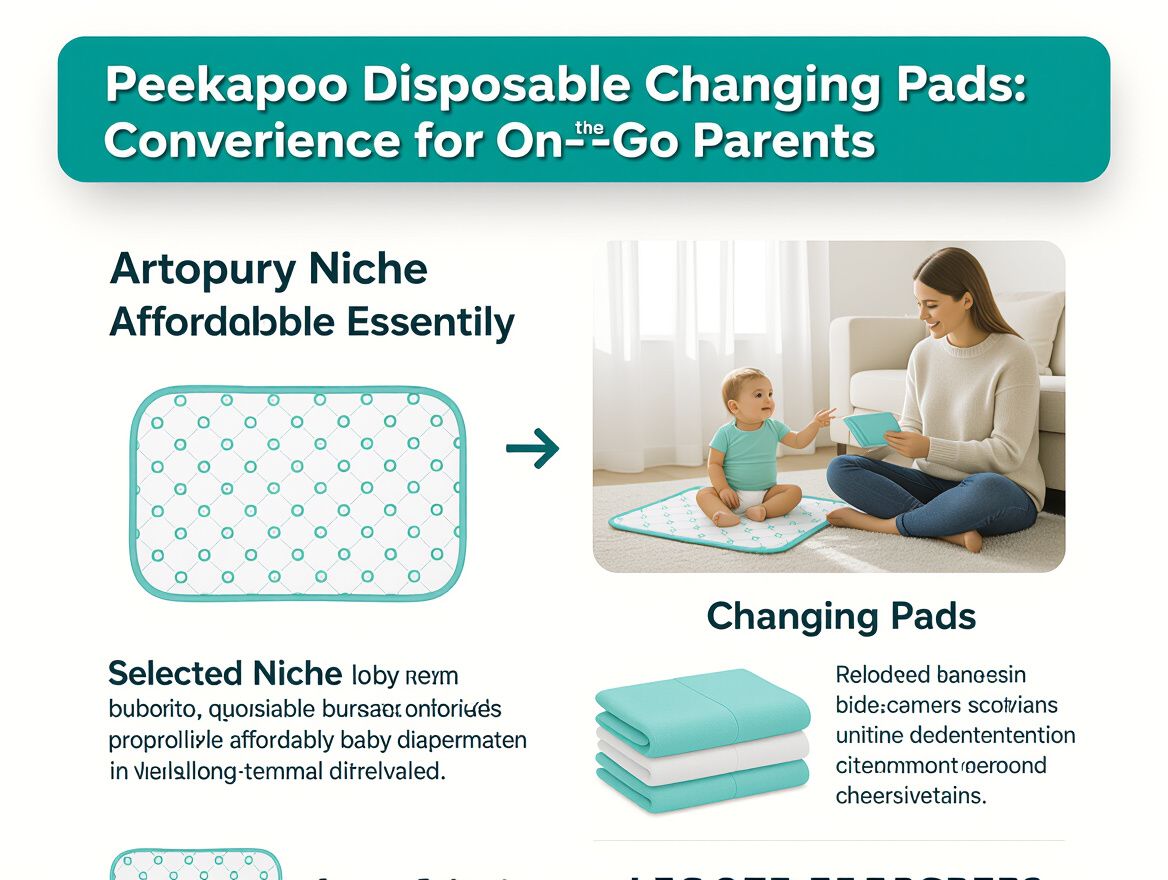
- Convenience: Disposable pads offer the advantage of easy cleanup, particularly useful during travel or outings. They can be thrown away after use, eliminating the need for washing.
- Cost-Effectiveness: While reusable pads may have a higher upfront cost, they can be more economical in the long run, especially for parents who frequently change diapers at home.
- Environmental Impact: Disposable pads contribute to waste, while reusable options reduce environmental footprint. However, washing reusable pads consumes water and energy.
Different Materials
- Plastic Pads: Often waterproof and easy to wipe clean, plastic pads can be a practical choice for parents seeking hygiene. However, they may lack comfort and can be slippery.
- Fabric Pads: Typically softer and more comfortable for the baby, fabric pads can provide a cozy changing experience. They require regular washing and may retain odors if not properly maintained.
- Hybrid Options: Some pads combine materials, offering a balance of comfort and easy cleaning. Consider how well these hybrid options suit your lifestyle.
Cost Considerations vs. Quality
- Initial Investment: Higher-quality pads may come with a steeper price tag but often offer better durability and comfort. Parents should weigh the importance of these factors against their budget.
- Longevity: Investing in a well-made pad can save money over time, as it may withstand wear and tear better than cheaper alternatives. Consider how long you plan to use the pad and whether it will accommodate your baby's growth.
By carefully evaluating these trade-offs, parents can select an infant changing pad that aligns with their needs, lifestyle, and values, ensuring a safer and more comfortable experience for both themselves and their baby.
Finding the Right Fit for Your Baby
Choosing the right infant changing pad involves several considerations to ensure it meets your baby's specific needs. Here are key factors to assess when selecting a changing pad:
-
Assessing Baby's Size and Activity Level:
- Consider your baby's current size and how quickly they are growing. A changing pad should provide ample space for your infant to move comfortably during diaper changes.
- If your baby is particularly active, look for pads with safety features, such as raised edges, to prevent rolling off.
-
Considering the Changing Area Space:
- Measure the available space in your changing area. Ensure the dimensions of the changing pad fit well within this space without overcrowding.
- If you have limited space, consider a more compact pad or one that can be stored easily when not in use.
-
Choosing Designs that Complement Nursery Decor:
- Aesthetics can play a role in your selection. Look for changing pads that come in various colors and patterns that match your nursery's decor.
- Consider materials that are not only visually appealing but also easy to clean, as changing pads can be prone to spills and messes.
By carefully evaluating these factors, you can select an infant changing pad that is not only practical but also enhances your nursery's environment.
Frequently Asked Questions About Infant Changing Pads
When selecting an infant changing pad, new parents often have several important questions regarding safety, maintenance, and product recommendations. Here are some common concerns addressed to help guide your decision-making process.
What materials are safest for infant changing pads?
The safest materials for infant changing pads include non-toxic, hypoallergenic options. Look for pads made from:
- Organic cotton: Soft and breathable, ideal for sensitive skin.
- PVC-free vinyl: Durable and easy to clean without harmful chemicals.
- Bamboo fabric: Naturally antibacterial and moisture-wicking, providing comfort and hygiene.
Always check for certifications indicating that materials are free from harmful substances, ensuring a safer environment for your baby.
How often should changing pads be cleaned?
Maintaining hygiene is crucial, especially when dealing with diapers. It’s advisable to clean changing pads regularly, ideally after every use. Here are some guidelines:
- Wipe down: Use a damp cloth with mild soap after each diaper change.
- Deep clean: Machine wash removable covers weekly, or as needed, to keep them fresh and hygienic.
- Inspect regularly: Check for any signs of wear and tear that may require replacement.
Establishing a cleaning routine will help ensure a safe and sanitary changing environment.
Are there any specific brands recommended for quality?
While there are many brands available, it’s essential to focus on features rather than specific names. Look for brands that emphasize:
- Quality materials: Ensure they use safe, durable materials.
- Positive customer reviews: Check feedback for insights on performance and durability.
- Safety certifications: Verify that products meet safety standards.
By prioritizing these criteria, you can select a changing pad that aligns with your needs and preferences while ensuring the best for your infant.
Making the Right Decision on Infant Changing Pads
In summary, selecting the ideal infant changing pad is essential for ensuring both safety and comfort during diaper changes. As you navigate your options, focus on the following criteria to make an informed decision:
- Safety Features: Look for pads with non-slip bottoms and secure straps to prevent any accidents during changes.
- Material Considerations: Opt for hypoallergenic, non-toxic materials that are gentle on your baby's sensitive skin and easy to clean.
- Size Compatibility: Ensure the pad fits your changing area perfectly. A well-fitted pad provides better support and stability.
- Portability Needs: If you're often on the go, consider lightweight and compact designs that can be easily transported without sacrificing comfort.
- Maintenance Ease: Choose pads with removable covers or those that are machine washable to maintain hygiene effortlessly.
Ultimately, prioritize safety and comfort for your baby while considering your lifestyle needs. By doing so, you can confidently choose an infant changing pad that aligns with your family's requirements.