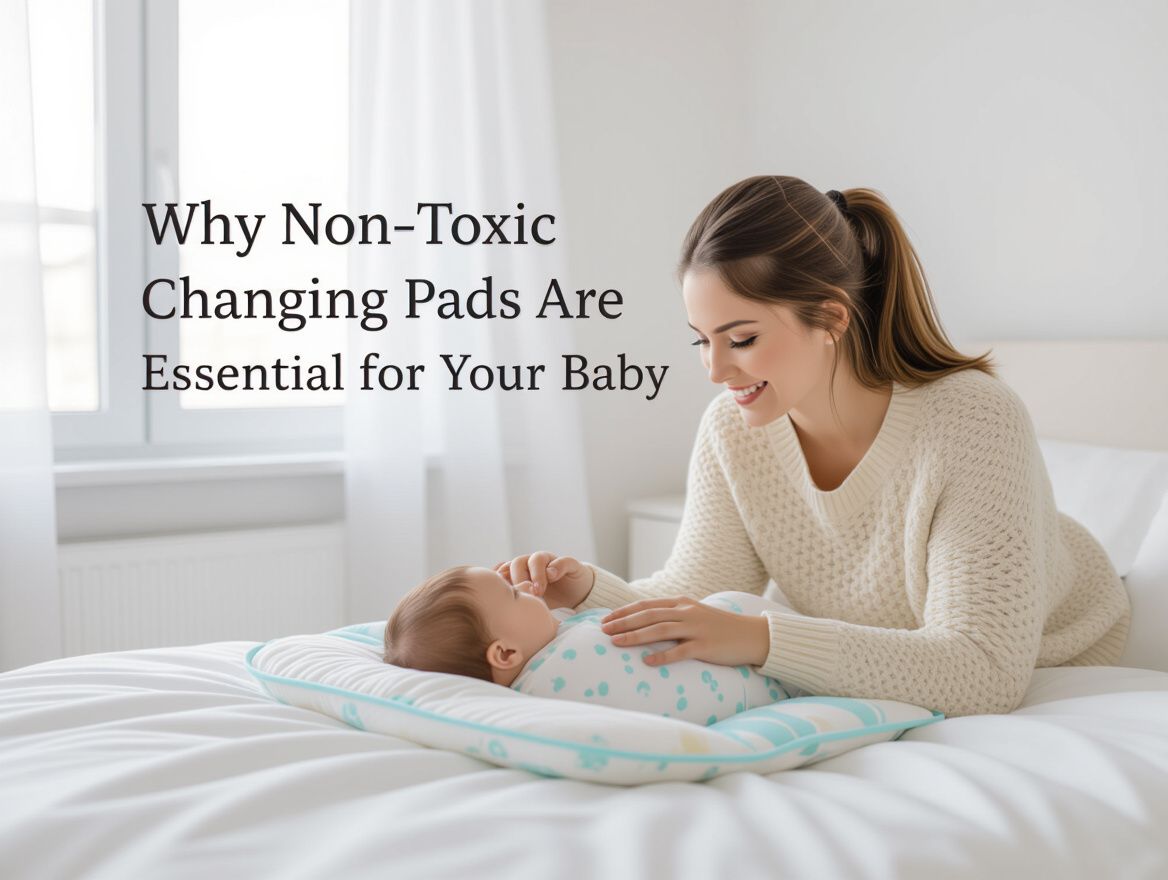
Why Non-Toxic Changing Pads Are Essential for Your Baby
The Importance of Choosing Non-Toxic Changing Pads
When selecting changing pads for your baby, it's crucial to consider the materials used in their construction. Traditional changing pads often contain harmful chemicals, such as phthalates, formaldehyde, and flame retardants, which may pose health risks to your child. These substances can be released into the air or absorbed through the skin, raising concerns for many parents about the safety of their baby's environment.
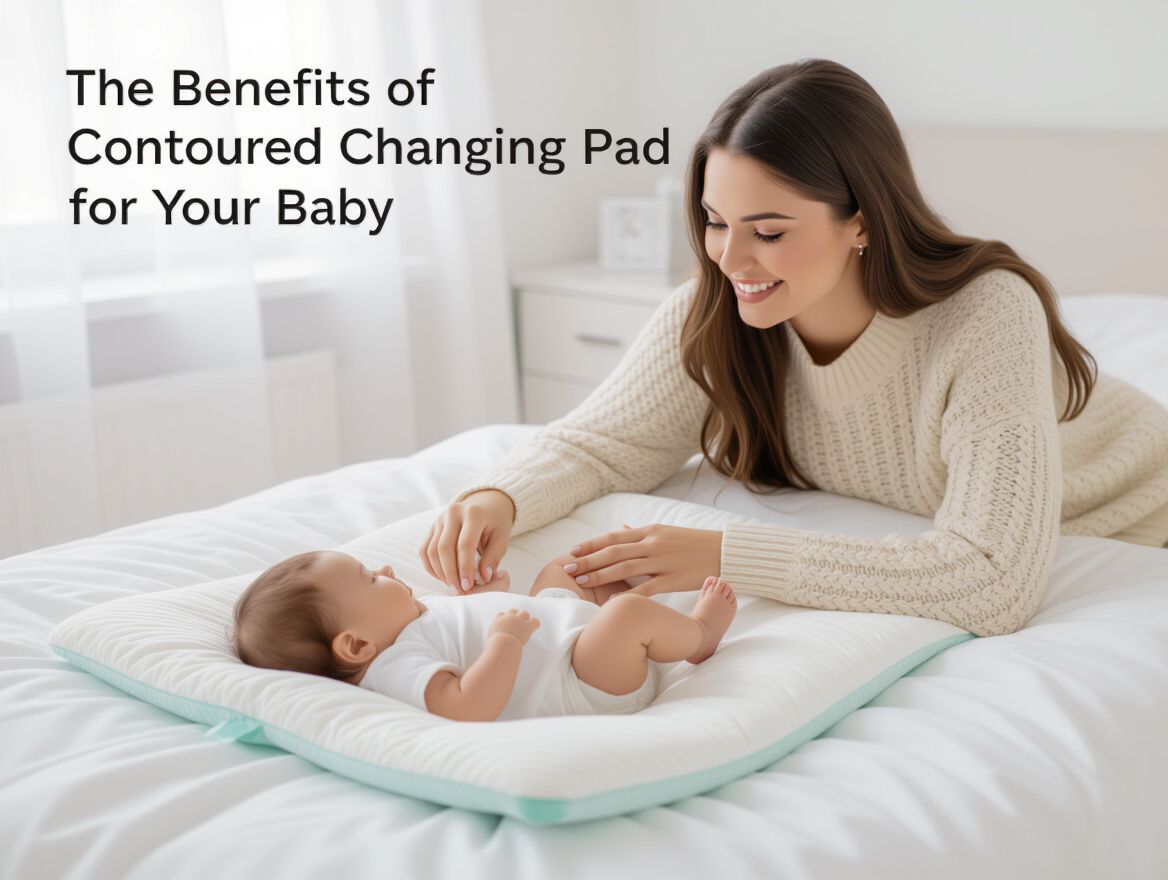
In contrast, non-toxic changing pads are made from safer materials, such as organic cotton or natural latex, which are free from harmful chemicals. Here are some key benefits of opting for non-toxic options:
- Healthier Environment: Non-toxic changing pads minimize exposure to harmful chemicals, promoting a safer changing experience for your baby.
- Sustainable Choices: Many non-toxic pads are made from eco-friendly materials, contributing to a healthier planet.
- Enhanced Comfort: Non-toxic options often provide better breathability and softness, ensuring a more comfortable surface for your baby during diaper changes.
Understanding these differences can guide you in making an informed choice that prioritizes your child's health and comfort while also considering environmental impact.
Key Criteria for Selecting Non-Toxic Changing Pads
When choosing non-toxic changing pads for your baby, it's essential to assess various features and materials to ensure safety and comfort. Here’s a checklist of important criteria to guide your decision:
-
Materials Used: Look for changing pads made from organic cotton, natural latex, or other non-toxic materials. Avoid pads with synthetic materials that can emit harmful chemicals.
-
Certifications: Check for certifications such as GOTS (Global Organic Textile Standard), OEKO-TEX Standard 100, or BPA-free labels. These certifications indicate that the product has been tested for harmful substances and meets safety standards.
-
Size and Portability: Consider the dimensions of the changing pad to ensure it fits your changing table or designated changing area. If you plan to travel, look for lightweight, portable options that can be easily folded or rolled.
-
Water Resistance: Opt for pads with a waterproof layer that is also free from harmful chemicals. This feature helps maintain hygiene and makes cleaning easier without compromising safety.
-
Ease of Cleaning: Non-toxic changing pads should be easy to clean, ideally with machine-washable covers. This ensures that you can maintain a hygienic environment for your baby.
-
Durability: Assess the durability of the materials used. A well-constructed pad can withstand regular use and cleaning, providing better long-term value.
By considering these criteria, you can make an informed choice that prioritizes your baby’s health and safety while also fitting your lifestyle needs.
Analyzing the Trade-Offs of Non-Toxic Changing Pads
Choosing non-toxic changing pads involves careful consideration of several trade-offs that can impact your purchasing decision. Understanding these can help parents make informed choices that align with their values and needs.
Cost vs. Benefits
- Price Point: Non-toxic changing pads often come at a higher price than conventional options due to the use of safer materials. This can be a significant factor for budget-conscious parents.
- Long-Term Value: While the upfront cost may be higher, investing in non-toxic pads can lead to peace of mind regarding your baby's health and safety, potentially saving costs on health-related issues down the line.
Durability and Usability Concerns
- Material Longevity: Non-toxic materials may vary in durability. Some parents find that certain eco-friendly options wear out faster than traditional pads, impacting their usability over time.
- Ease of Cleaning: Consider how easy it is to clean non-toxic pads. Some may be machine washable, while others might require special care, which can add to the overall maintenance effort.
Environmental Impact
- Sustainable Materials: Non-toxic changing pads often utilize sustainable materials, which can reduce environmental impact. However, it’s essential to research the sourcing and production practices of the brands you consider.
- Biodegradability: When the time comes to replace the pad, consider its disposal. Non-toxic options may be more environmentally friendly in terms of biodegradability compared to conventional pads.
By weighing these trade-offs—cost versus benefits, durability versus usability, and environmental impact—you can better navigate the options available and select a non-toxic changing pad that best fits your family's needs.
Potential Risks and Caveats of Non-Toxic Changing Pads
While non-toxic changing pads are designed to provide a safer environment for your baby, there are several risks and caveats that parents should consider before making a purchase. Understanding these factors can help you make a more informed decision.
-
Variability in Product Quality: Not all non-toxic changing pads are created equal. The term "non-toxic" can vary widely in meaning, and some products may still contain low levels of harmful chemicals. It's crucial to research brands and read product descriptions carefully to ensure that they meet recognized safety standards.
-
Misleading Labeling Practices: Some manufacturers may use marketing terms that imply safety without providing substantial evidence. Labels like "eco-friendly" or "natural" can sometimes be misleading. Always look for certifications from reputable organizations that verify the absence of harmful substances.
-
Limitations of Some Non-Toxic Materials: While materials like organic cotton or natural latex are generally safer, they may come with their own limitations. For instance, organic cotton may not be as water-resistant as synthetic materials, leading to potential hygiene issues if not properly maintained. Additionally, some non-toxic materials may not offer the same durability or ease of cleaning as their conventional counterparts.
By keeping these considerations in mind, you can better navigate the selection process for non-toxic changing pads, ensuring that you choose an option that aligns with your safety standards and practical needs.
Making an Informed Decision on Non-Toxic Changing Pads
When selecting a changing pad, parents must prioritize safety, especially concerning harmful chemicals often found in traditional options. Non-toxic changing pads are designed to minimize exposure to these harmful substances, providing a safer environment for your baby. Here’s how to navigate your decision effectively:
-
Assess Family Needs: Consider your lifestyle and specific requirements. Do you need a portable option for travel, or is a stationary pad more suitable for your home? Understanding how you plan to use the changing pad can greatly influence your choice.
-
Research and Compare Products: Take the time to research different brands and materials. Look for certifications that indicate non-toxic materials, such as those that are free from PVC, phthalates, and other hazardous chemicals. Comparing features like waterproofing, ease of cleaning, and comfort can also help you make a more informed choice.
-
Evaluate Trade-offs: Different non-toxic pads may come with varying levels of comfort, durability, and price. For instance, some may be more cushioned but less portable, while others might be easy to clean but lack certain eco-friendly certifications. Weighing these factors against your priorities will guide you toward the best fit.
-
Consider Potential Risks: While non-toxic changing pads are generally safer, it’s essential to check for any product recalls and read customer reviews to identify any common complaints about durability or safety features. Understanding these risks can help you avoid potential issues down the line.
In conclusion, choosing a non-toxic changing pad is a significant decision that involves careful consideration of your family’s needs, thorough research, and an understanding of trade-offs. Prioritizing safety and comfort will ultimately lead to a more satisfying purchase.
Frequently Asked Questions About Non-Toxic Changing Pads
When considering non-toxic changing pads, parents often have several questions regarding their safety, efficacy, and cost. Below are answers to some common queries that can help guide your decision-making process.
What makes a changing pad non-toxic?
Non-toxic changing pads are made from materials that do not contain harmful chemicals such as phthalates, formaldehyde, or flame retardants. These pads typically use safer alternatives like organic cotton or natural latex, which minimize the risk of harmful exposure to your baby during diaper changes.
How do non-toxic changing pads compare to traditional ones?
While traditional changing pads may offer a variety of features such as waterproofing and varying thicknesses, they often use synthetic materials that can emit volatile organic compounds (VOCs). In contrast, non-toxic options prioritize safety and sustainability, but may lack some of the performance features of conventional pads. It’s essential to weigh the importance of chemical safety against other features like ease of cleaning and durability.
Are non-toxic changing pads more expensive?
Generally, non-toxic changing pads can be more expensive than their traditional counterparts due to the higher costs associated with organic materials and sustainable manufacturing practices. However, many parents consider this investment worthwhile for the peace of mind it provides regarding their child's health. It's crucial to assess the long-term value, such as durability and safety, when evaluating the price differences.
By understanding these key aspects, parents can make more informed choices about which changing pads best suit their needs while ensuring a safer environment for their little ones.
Conclusion: The Best Choice for Your Baby's Safety
Choosing non-toxic changing pads is a proactive step towards ensuring your baby's health and safety. By opting for these safer alternatives, parents can significantly reduce exposure to harmful chemicals commonly found in traditional changing pads. Here are several key takeaways to consider:
- Health Benefits: Non-toxic changing pads help create a healthier environment by minimizing the risk of chemical exposure, which can be particularly concerning for infants with sensitive skin and developing immune systems.
- Sustainability: Many non-toxic options are crafted from organic or eco-friendly materials, making them a responsible choice for environmentally-conscious families.
- Comfort Considerations: These pads often offer improved softness and breathability, enhancing your baby's comfort during changing times.
Prioritizing non-toxic changing pads not only protects your child's immediate well-being but also aligns with a larger commitment to sustainability. As you navigate your choices, remember that investing in safer options is a meaningful step toward fostering a nurturing and healthy environment for your little one.