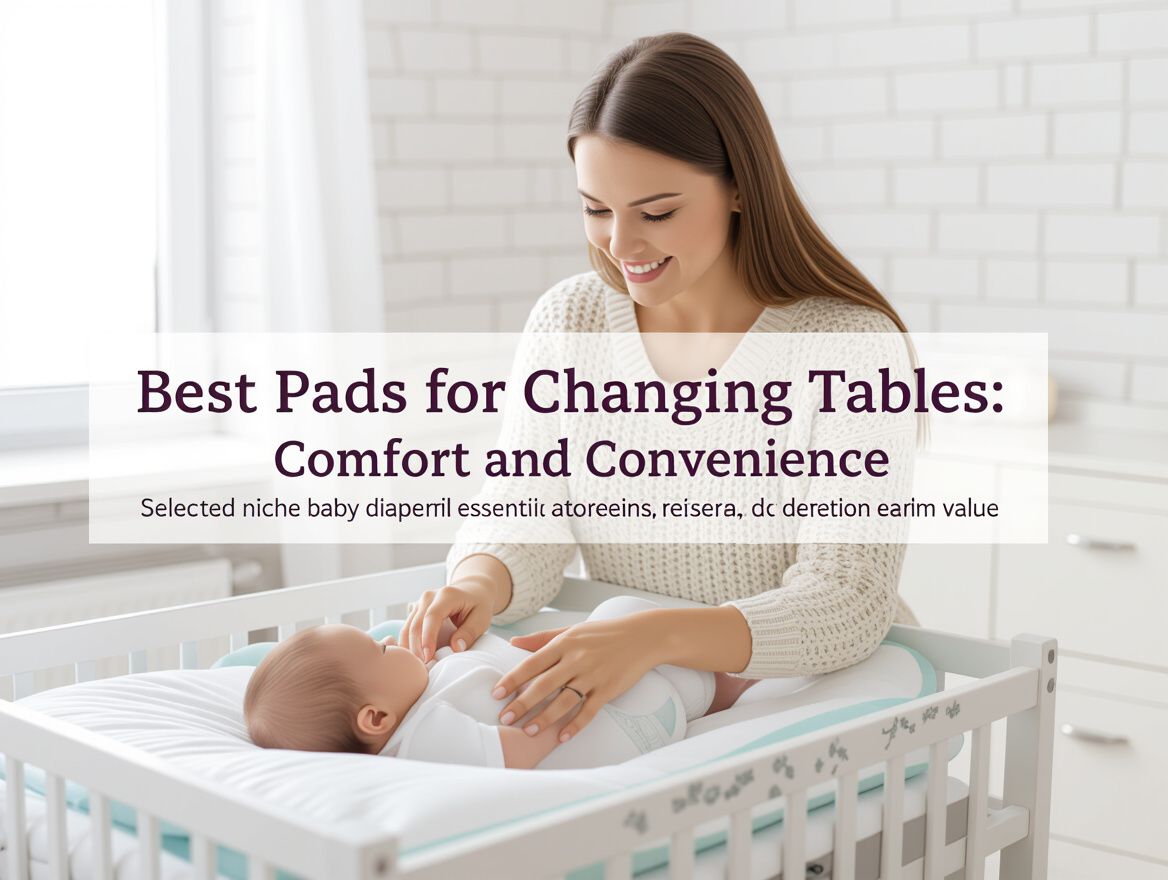
Best Pads for Changing Tables: Comfort and Convenience
Understanding Changing Table Pads
Choosing the right changing table pad is essential for both comfort and convenience during diaper changes. A changing table pad is a cushioned surface designed to provide a safe and comfortable area for changing a baby’s diaper. Selecting a high-quality pad can enhance the experience for both the baby and the caregiver, reducing stress during this routine task.
Importance of Comfort and Ease of Use
-
Comfort for Baby: A well-padded surface helps ensure that your baby is comfortable during diaper changes. Materials that are soft and gentle against the skin can prevent discomfort.
-
Ease of Use for Caregivers: A changing table pad that is easy to clean and maintain can save time and effort. Look for features such as waterproof covers or removable, washable liners to simplify the cleaning process.
-
Safety Features: Many changing table pads come with safety features like non-slip bottoms or safety straps, providing peace of mind while changing your baby.
-
Size and Fit: Ensure the pad fits well on your changing table to prevent slipping or accidents. Measure your changing table and compare it to the pad dimensions before making a purchase.
Understanding these factors can help parents and caregivers make informed decisions when selecting changing table pads that prioritize both comfort and convenience.
Key Features to Consider When Choosing a Changing Table Pad
When selecting a changing table pad, it's essential to focus on features that enhance comfort and usability for both babies and caregivers. Here are the critical criteria to evaluate:
-
Material and Softness: Look for pads made from soft, hypoallergenic materials to ensure comfort for your baby. Fabrics like cotton or memory foam can provide a cozy changing experience.
-
Size and Fit: Measure your changing table dimensions carefully. Changing table pads come in various sizes, and a snug fit is crucial to avoid slips and ensure safety during diaper changes.
-
Waterproofing and Cleaning Ease: Opt for waterproof pads or those with removable, machine-washable covers. This feature makes cleanup after messy changes quick and hassle-free, maintaining hygiene and convenience.
-
Safety Features: Non-slip backing is a vital safety consideration. It helps keep the pad securely in place during use, reducing the risk of accidents while changing your baby.
By assessing these features, you can make a more informed decision that prioritizes comfort and convenience for your changing table setup.
Trade-offs of Different Changing Table Pads
When selecting a changing table pad, understanding the trade-offs between different types is essential for ensuring both comfort and convenience. Here’s a breakdown of key considerations that can influence your decision.
Disposable vs. Washable Pads
-
Disposable Pads:
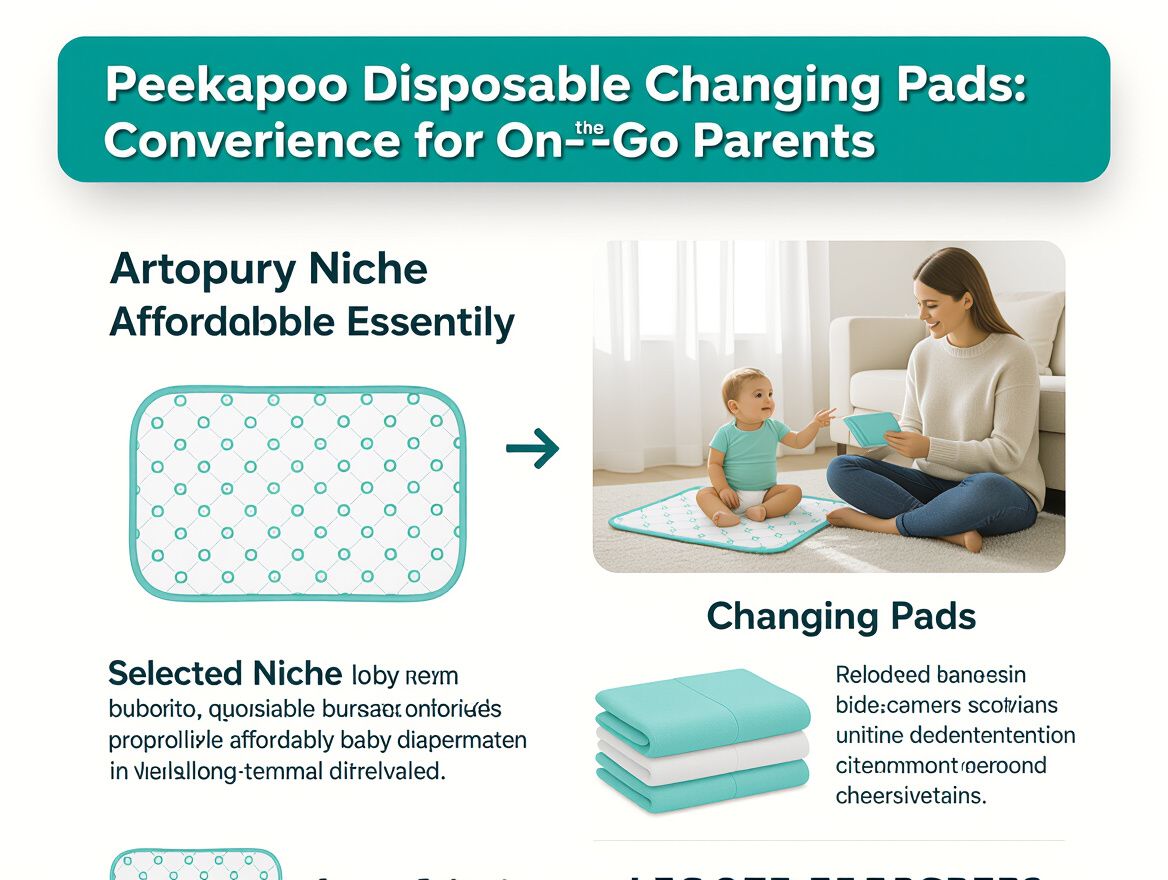
- Advantages: These are convenient for on-the-go situations as they can be easily discarded after use, minimizing cleanup and maintenance. They are often more hygienic for public spaces.
- Disadvantages: The recurring cost of purchasing replacements can add up over time, and they contribute to waste, which may be a concern for environmentally conscious parents.
-
Washable Pads:
- Advantages: Generally more economical in the long run, as they can be reused multiple times. They often come in various materials that enhance comfort and can be more durable.
- Disadvantages: Require regular washing and maintenance, which can be time-consuming. Stains may be harder to remove, and there’s a need for proper drying to maintain their shape and hygiene.
Thicker vs. Thinner Pads
-
Thicker Pads:
- Advantages: Provide extra cushioning and support, which can enhance comfort for your baby during changes. They may also offer better protection against hard surfaces.
- Disadvantages: Can be bulkier, making them less portable and potentially more challenging to store. They may also be more expensive due to the additional material.
-
Thinner Pads:
- Advantages: Lightweight and easier to handle, making them more travel-friendly. They typically occupy less space and can be more affordable.
- Disadvantages: May lack sufficient cushioning, which could lead to discomfort for your baby. They might not provide as much protection against hard surfaces.
Cost Implications and Longevity
- Initial Cost vs. Long-Term Investment: While disposable pads may seem cheaper upfront, the cumulative cost can be significant over time. Washable pads may have a higher initial purchase price but can lead to savings in the long term.
- Durability: Consider the longevity of the materials used in washable pads. High-quality fabric can withstand repeated washes, while lower-quality options may wear out quickly, leading to additional replacement costs.
Understanding these trade-offs can help you select a changing table pad that meets your needs for comfort and convenience while balancing cost and maintenance considerations. Evaluate your lifestyle, frequency of use, and personal preferences to make an informed choice that best fits your family's requirements.
Potential Risks and Considerations
When selecting pads for changing tables, it's crucial to be aware of the potential risks associated with poor-quality or unsuitable options. The right pad can enhance comfort and convenience, but overlooking specific factors can lead to safety and hygiene concerns.
-
Safety Concerns Related to Materials: Many changing table pads are made from various materials that may contain harmful chemicals or allergens. Look for pads that are labeled as non-toxic and free from BPA, phthalates, and other harmful substances to ensure your baby's safety.
-
Durability Issues: Some pads may wear out quickly, leading to decreased comfort and effectiveness. A pad that doesn't maintain its shape or cushioning over time can become less supportive, which can be uncomfortable for your baby and inconvenient for you.
-
Hygiene Risks with Non-Disposable Pads: While washable pads can be a sustainable choice, they require consistent cleaning to prevent the buildup of bacteria and odors. If not properly maintained, these pads can pose hygiene risks. Consider how often you can wash the pad and whether you have the means to keep it clean, especially if you opt for a non-disposable option.
Understanding these risks can help you make a more informed decision when choosing changing table pads, ensuring both comfort and safety for your child.
Frequently Asked Questions About Changing Table Pads
When selecting pads for changing tables, many parents have common questions that can guide their decision-making process. Understanding these can help ensure that you choose the right product for your needs.
What buyer problem does pads changing table solve better than nearby alternatives?
Changing table pads address several key issues that other alternatives might not fully resolve:
- Comfort for the Baby: Pads are designed with cushioning to provide a soft and comfortable surface for diaper changes, which is especially important for infants who may be sensitive to hard surfaces.
- Safety and Stability: Good quality changing table pads often come with safety straps or non-slip bases, ensuring that the pad stays in place during use, which is crucial for preventing accidents.
- Ease of Cleaning: Many changing pads are made from materials that are easy to wipe down or machine washable, providing parents with convenience and hygiene.
Which feature criteria should materially change the shortlist?
When evaluating changing table pads, consider the following features that can significantly impact your choice:
- Material: Look for pads made from hypoallergenic and non-toxic materials, which are safer for your baby.
- Thickness: A thicker pad may offer more cushioning but can also take up more space. Balance comfort with the dimensions of your changing table.
- Water Resistance: Waterproof pads can prevent leaks from soaking through, making them easier to maintain and clean.
- Size Compatibility: Ensure the dimensions of the pad match your changing table to prevent any safety hazards.
How do I maintain and clean changing table pads?
Proper maintenance of changing table pads is essential to ensure they remain hygienic and in good condition:
- Regular Wipes: Use a damp cloth with mild soap to wipe down the surface after each use.
- Machine Washable Options: If the pad is machine washable, follow the manufacturer's instructions for washing and drying to maintain its shape and integrity.
- Check for Wear: Regularly inspect the pad for any signs of wear or damage, such as cracks or tears, which may compromise safety or comfort.
By addressing these common questions, parents can make informed choices that prioritize their child's comfort and safety while simplifying the changing process.
Making the Right Choice for Your Changing Table
Choosing the best pads for changing tables involves considering various features and trade-offs to meet your specific needs. Here are the key points to keep in mind:
-
Material and Comfort: Look for pads made from soft, hypoallergenic materials that provide comfort for your baby during changes. The thickness of the padding can also enhance comfort but may affect portability.
-
Ease of Cleaning: Evaluate whether you prefer washable pads or disposable changing table pads. Washable options may offer long-term savings and environmental benefits, while disposable pads can be more convenient for on-the-go situations.
-
Size Compatibility: Ensure that the pad fits your changing table securely. Measure the dimensions of your table and compare them with the pad specifications to avoid any fit issues.
-
Safety Features: Consider pads with safety straps or non-slip bottoms to keep the pad in place during use. This is especially important for active infants who may wiggle during changes.
-
Portability: If you plan to travel or need to move the pad frequently, lightweight and compact options may be more suitable. However, consider how this affects the pad's cushioning and overall comfort.
-
Cost vs. Durability: Balance your budget with the durability of the pad. Higher-priced options may offer better materials or features but assess if these benefits align with your usage patterns.
Final thoughts: Take the time to weigh these criteria against your lifestyle and preferences. Whether you prioritize comfort, convenience, or safety, understanding these trade-offs will empower you to make a confident choice in selecting the right changing table pad for your needs.