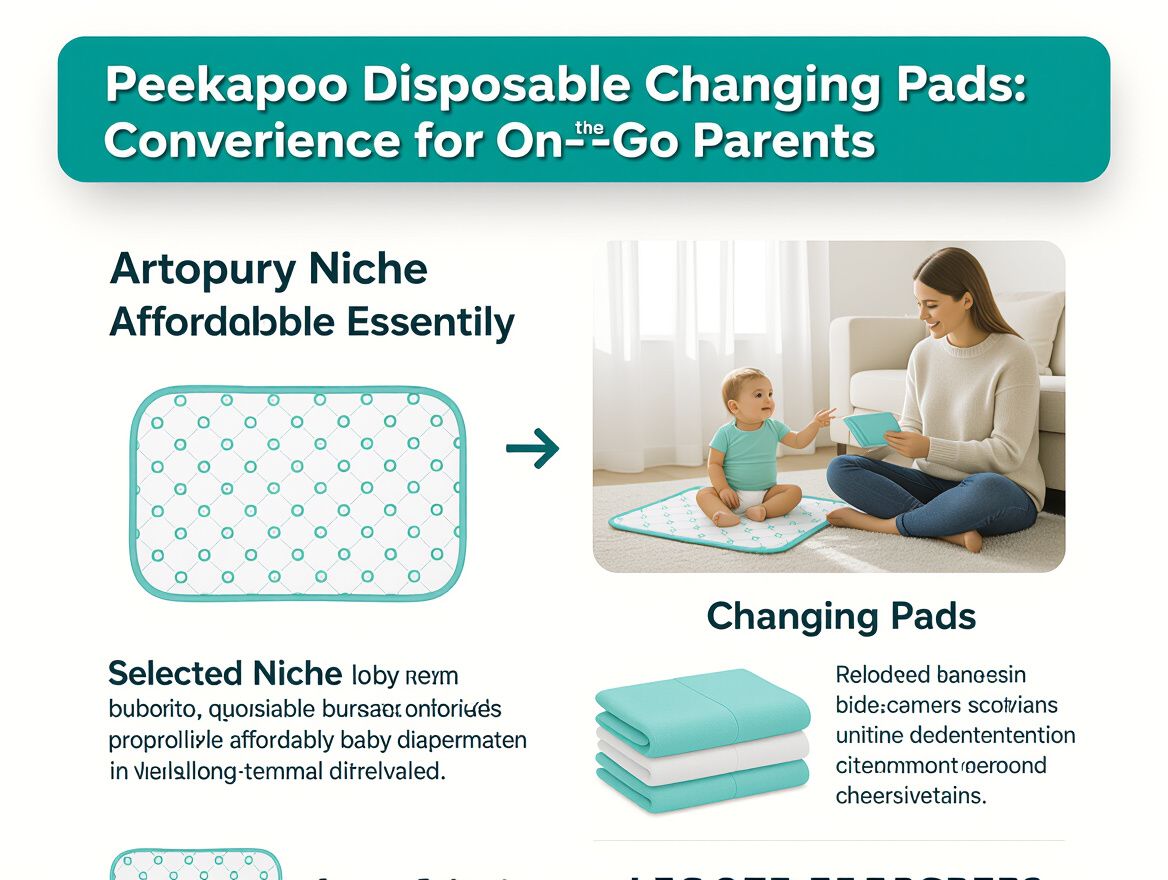
Top Portable Changing Pads for On-the-Go Parents

Why Portable Changing Pads Are Essential for Parents
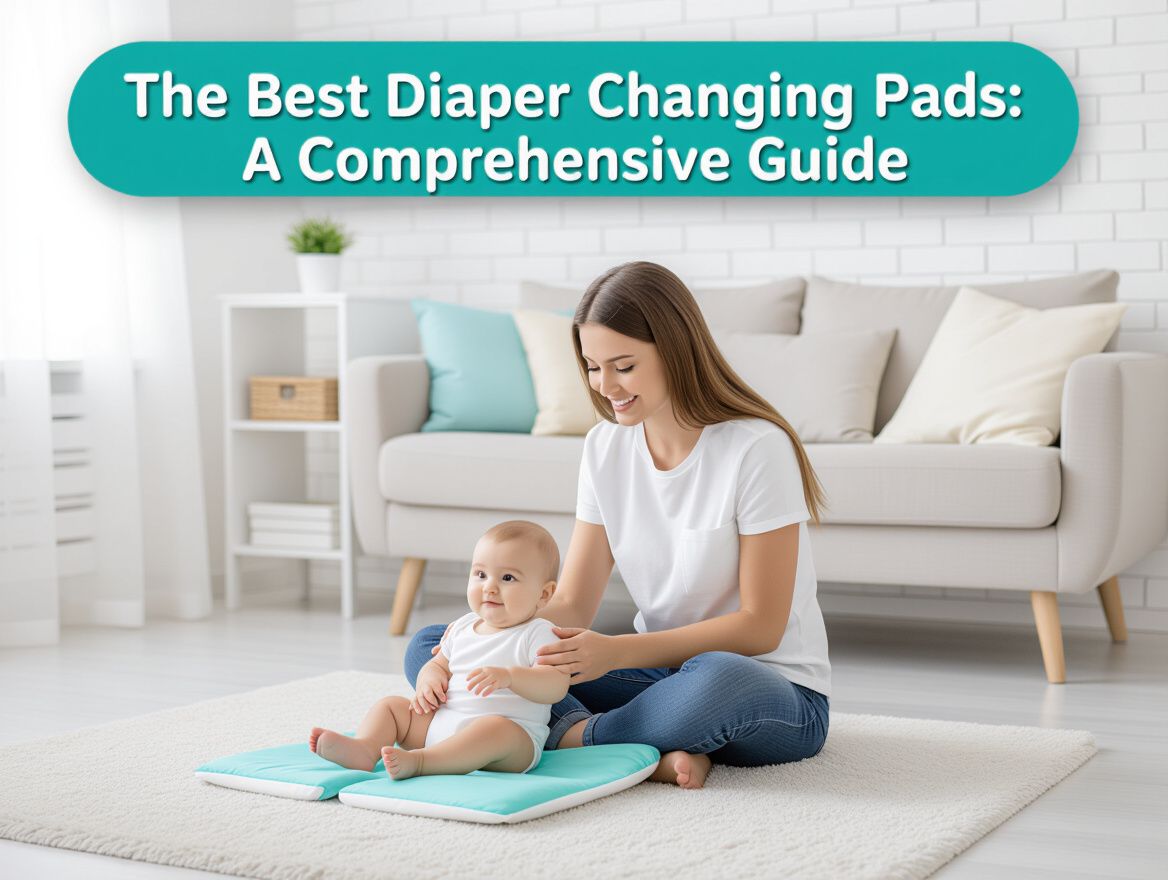
In today's fast-paced parenting landscape, portable changing pads have become indispensable for on-the-go families. These compact solutions offer a hygienic and convenient way to change diapers, making them a must-have for outings, travel, and everyday errands.
Convenience for Travel
Portable changing pads are designed to be lightweight and easily foldable, allowing parents to carry them in diaper bags or strollers without hassle. This convenience is particularly valuable during:
- Road trips: Quick changes in rest areas or while parked.
- Shopping outings: Managing diaper changes in public restrooms or changing stations.
- Family visits: Ensuring a clean and comfortable surface in unfamiliar environments.
Common Scenarios for Use
Parents often find themselves in situations where a clean changing surface is unavailable. Portable changing pads can save the day in scenarios such as:
- Parks and playgrounds: Where public facilities may be lacking.
- Traveling by plane or train: Providing a safe area for diaper changes in cramped spaces.
- Outdoor events: Offering a hygienic option for changing in grassy or sandy areas.
By understanding the practical utility of portable changing pads, parents can better appreciate their role in facilitating smooth diaper changes wherever life takes them.
Key Features to Consider When Choosing a Portable Changing Pad
Selecting the right portable changing pad is crucial for ensuring convenience and safety while on the go. Here are essential features to evaluate that can significantly impact usability and convenience:
-
Size and Portability: Look for a changing pad that is compact and lightweight, making it easy to carry in a diaper bag or attach to a stroller. Consider dimensions that provide ample changing space without being cumbersome.
-
Material and Ease of Cleaning: The material of the changing pad should be both comfortable for your baby and easy to clean. Waterproof or wipeable surfaces can help manage messes effectively. Fabrics that are machine washable can also save time and effort.
-
Safety Features and Comfort for the Baby: Ensure the changing pad has safety features such as non-slip backing to prevent slipping during use. Additionally, padded surfaces can enhance comfort for your baby during changes.
-
Storage Options and Additional Functionalities: Some portable changing pads come with built-in storage for diapers, wipes, or other essentials. This added functionality can streamline the changing process and keep everything organized.
By considering these criteria, parents can better navigate the options available and select a portable changing pad that meets their specific needs while ensuring their baby's comfort and safety.
Understanding Trade-Offs in Portable Changing Pads
When selecting the best portable changing pad, parents often face several trade-offs that can significantly impact their experience. Understanding these trade-offs can help you make a more informed decision that aligns with your specific needs.
Balancing Size with Functionality
- Compactness: Smaller pads are easier to carry and store, making them ideal for travel. However, they may offer limited space for diaper changes, potentially compromising comfort.
- Surface Area: A larger pad provides more room for the baby, but it can be bulkier and less convenient to transport. Consider your typical changing environment to find the right balance.
Durability versus Cost
- Material Quality: Higher-priced options often feature more durable materials that withstand wear and tear. This can be a worthwhile investment if you plan to use the pad frequently.
- Budget-Friendly Options: Less expensive pads may be made from lighter materials, which can compromise longevity. Assess how often you expect to use the pad to determine if a more durable option is necessary.
Portability versus Comfort
- Ease of Carrying: Many portable changing pads come with straps or folds for easy transport. However, these features can sometimes limit the comfort level, such as thin padding that may not provide adequate support for the baby.
- Comfort Features: Some pads prioritize comfort with thicker padding or additional cushioning. While these pads may be bulkier, they provide a more pleasant changing experience for your baby.
By weighing these trade-offs, you can identify a portable changing pad that fits your lifestyle, budget, and comfort needs, ensuring that you’re well-prepared for diaper changes on the go.
Finding the Right Fit for Your Lifestyle
When selecting the best portable changing pad, it's essential to consider the various types available and how they align with your lifestyle needs. Different designs cater to specific situations, making it crucial to assess your priorities before making a choice.
Types of Portable Changing Pads
- Compact and Lightweight: Ideal for parents who prioritize portability. These pads often fold into a small size, making them easy to carry in a diaper bag or purse.
- Travel-Friendly Models: Some pads come with additional features like pockets for wipes or diapers, offering convenience during outings.
- Multi-Functional Options: Certain changing pads can double as a play mat or a diaper bag, appealing to parents looking for versatile solutions.
Lifestyle Considerations
- Frequency of Use: If you're frequently on the go, a lightweight and easily foldable pad may be your best option. For occasional outings, a more robust model could suffice.
- Space Constraints: Consider the size of your diaper bag or vehicle. A compact pad may fit better in tight spaces, while a larger model might offer more comfort for your baby.
- Hygiene Concerns: If cleanliness is a priority, look for pads with waterproof surfaces or easy-to-clean materials, ensuring you can maintain hygiene while traveling.
Trade-offs and Fit
- Durability vs. Portability: Lightweight pads may sacrifice some durability for ease of transport. Assess how often you'll use the pad to determine the right balance.
- Comfort vs. Convenience: A thicker pad may offer more comfort for your baby, but it could be bulkier to carry. Weigh your needs against the comfort level you want for your child.
By understanding these factors, you can make a more informed decision about which portable changing pad best fits your lifestyle and needs.
Potential Risks and Considerations
When selecting a portable changing pad, it’s essential to understand the potential risks associated with poorly chosen options. These risks can affect not only the convenience of changing your baby on-the-go but also their safety and hygiene.
-
Safety Concerns with Low-Quality Pads: Some portable changing pads may be made from subpar materials that can pose safety risks, such as chemical exposure or lack of durability. Ensure that the pad is free from harmful substances and designed to withstand regular use without tearing or losing shape.
-
Risks of Inadequate Cleaning and Hygiene: Portable changing pads can harbor bacteria if not cleaned properly. Look for materials that are easy to wipe down or machine washable. Pads that lack a waterproof barrier may absorb moisture and odors, increasing the risk of skin irritation for your baby.
-
Importance of Ensuring Proper Fit for the Baby: A changing pad that is too small or poorly designed can lead to discomfort or even accidents during diaper changes. It’s crucial to choose a pad that provides adequate space for your baby to lie comfortably while also fitting securely in your diaper bag or travel setup.
By considering these risks, you can make a more informed decision about which portable changing pad best meets your needs, ensuring safety and hygiene for your baby while maintaining convenience for yourself.
Frequently Asked Questions About Portable Changing Pads
When considering the best portable changing pads, parents often have specific concerns and questions. Here are some common inquiries that can help guide your decision-making process.
What is the best material for a portable changing pad?
The ideal material for a portable changing pad should be:
- Water-resistant: This feature helps protect the pad from leaks and spills, ensuring it remains hygienic.
- Easy to clean: Look for materials that can be wiped down easily or are machine washable.
- Non-toxic: Opt for pads made from safe, BPA-free materials to ensure your baby's health.
Common materials include polyester, cotton blends, and PVC, each with its own benefits in terms of durability and comfort.
How do I clean and maintain my changing pad?
Proper maintenance of your portable changing pad is crucial for hygiene:
- Wipe down: Use a damp cloth with mild soap to clean the surface after each use.
- Machine wash: If the pad is machine washable, follow the manufacturer's instructions for washing and drying.
- Inspect regularly: Check for wear and tear, replacing the pad if it shows signs of damage or excessive staining.
Regular cleaning helps prevent bacteria buildup and keeps the changing pad safe for your baby.
Are there any portable changing pads that are eco-friendly?
Yes, several brands offer eco-friendly options for portable changing pads. Look for:
- Organic materials: Pads made from organic cotton or bamboo are biodegradable and free from harmful chemicals.
- Sustainable manufacturing: Brands that focus on eco-friendly practices in their production processes can reduce environmental impact.
- Recyclable packaging: Consider products that come in recyclable packaging to further minimize waste.
Choosing eco-friendly options not only supports your baby’s health but also contributes to a healthier planet.
Making Your Decision on Portable Changing Pads
Choosing the right portable changing pad is essential for on-the-go parents seeking convenience and hygiene during diaper changes. With various options available, it's crucial to evaluate the features that align with your specific needs.
Key Considerations:
- Size and Portability: Ensure the pad is compact enough to fit in your diaper bag while providing adequate space for safe changes.
- Material and Cleanability: Look for water-resistant, easy-to-clean materials that can withstand frequent use and messes.
- Comfort and Safety Features: Consider pads with padded surfaces or safety straps to keep your baby secure and comfortable during changes.
- Storage Options: Some pads come with pockets for storing diapers and wipes, enhancing convenience during travel.
- Durability: Assess the quality of the stitching and materials to ensure longevity, especially if you plan to use it frequently.
Trade-offs to Weigh:
- Weight vs. Functionality: Lighter pads may sacrifice some features like extra cushioning or storage.
- Price vs. Quality: Higher-priced options may offer better durability and features, but assess if they truly meet your needs.
- Design vs. Usability: A stylish design is appealing, but ensure it doesn't compromise functionality or ease of cleaning.
As you consider these factors, remember that the best portable changing pad is one that fits seamlessly into your lifestyle while meeting your baby's needs. Taking the time to evaluate your options based on these criteria will help you make an informed decision that balances convenience, safety, and practicality.