The Best Diaper Changing Pads: A Comprehensive Guide
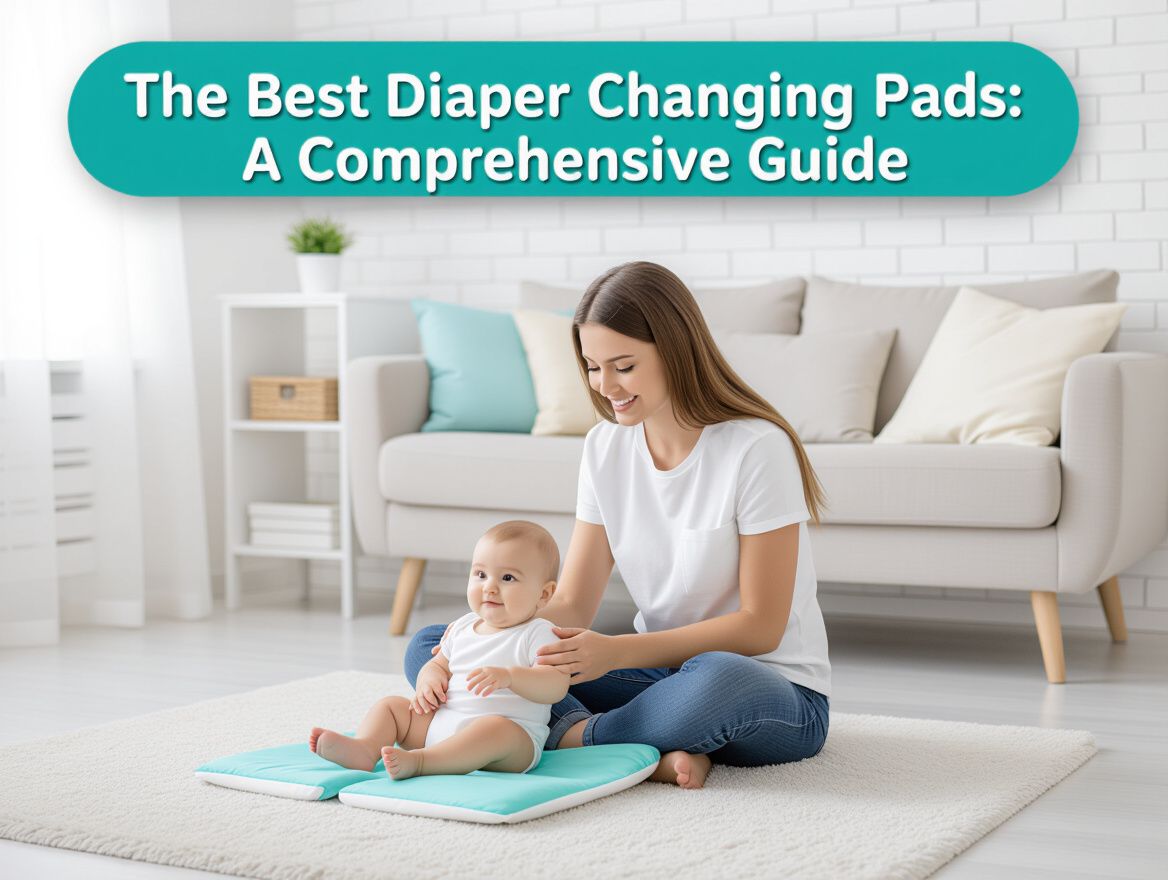
Understanding the Importance of Diaper Changing Pads
Choosing the right diaper changing pad is crucial for both comfort and convenience during diapering routines. A high-quality changing pad can significantly enhance the experience for both the caregiver and the baby, making it a central piece of baby gear.
Role in Diapering Routines
Diaper changing pads serve as a designated area for diaper changes, providing a clean and comfortable surface. They help prevent messes and protect surfaces from spills or leaks, ensuring hygiene during each change.
Common Features and Benefits
When selecting a changing pad, consider the following features and benefits:
- Safety: Look for pads with non-slip bottoms and safety straps to keep the baby secure during changes.
- Ease of Cleaning: Waterproof covers or removable, washable covers can simplify maintenance and hygiene.
- Comfort: Padding thickness and material can affect how comfortable the baby feels during changes.
- Portability: Some pads are designed for easy transport, making them ideal for on-the-go parents.
Understanding these aspects can help new parents or caregivers make informed decisions that align with their specific needs and preferences, ultimately enhancing the diapering experience.
Key Criteria for Selecting Diaper Changing Pads
When choosing the best diaper changing pads, it's essential to consider various factors that align with your specific needs and preferences. Here’s a checklist of criteria to help guide your decision-making process:
-
Material and Safety Considerations: Look for pads made from non-toxic, hypoallergenic materials that are safe for your baby’s sensitive skin. Ensure they are free from harmful chemicals, and check for certifications that indicate safety standards.
-
Size and Portability: Evaluate the dimensions of the changing pad, especially if space is a concern. Portable options are ideal for on-the-go parents, while larger pads may offer more comfort and stability during changes at home.
-
Ease of Cleaning and Maintenance: Consider how easy it is to clean the changing pad. Waterproof covers or removable, washable covers can save time and effort in maintaining hygiene.
-
Price Range and Budget Considerations: Diaper changing pads come in various price points. Assess your budget while keeping in mind that higher prices may reflect better materials or added features. Determine the balance between cost and the durability or functionality you require.
By carefully weighing these criteria, you can make an informed choice that best suits your lifestyle and meets your baby’s needs.
Trade-offs and Considerations When Choosing a Changing Pad
Selecting the best diaper changing pad involves navigating various trade-offs and considerations. Each option presents its own set of advantages and limitations, which can significantly impact your experience as a new parent or caregiver.
Durability vs. Affordability
- Durability: Higher-quality materials often result in longer-lasting products, which can withstand the wear and tear of daily use. A more durable changing pad may also offer better resistance to stains and odors.
- Affordability: Budget-friendly options can save money upfront but might require more frequent replacements. Weigh the cost against how long you expect to use the pad and consider potential long-term expenses.
Comfort vs. Ease of Cleaning
- Comfort: A thicker, cushioned pad can provide a more comfortable surface for your baby during changes. However, extra padding may complicate the cleaning process.
- Ease of Cleaning: Materials that are easy to wipe down or machine-wash can save time and reduce stress. Consider how often you anticipate needing to clean the pad and whether you prefer a more comfortable or a more practical option.
Size vs. Portability
- Size: Larger pads offer more space for changing, which can be beneficial for squirmy infants. However, they may not fit well in smaller nurseries or when traveling.
- Portability: Compact and lightweight pads are easier to transport, making them ideal for on-the-go parents. However, a smaller size may compromise the changing surface area and comfort.
Understanding these trade-offs will help you evaluate which diaper changing pad aligns best with your specific needs, lifestyle, and preferences.
Buyer Segments: Which Changing Pad Fits Your Needs?
When selecting the best diaper changing pad, understanding the unique needs of different buyer segments can significantly enhance your decision-making process. Each segment has specific requirements and preferences that can influence the choice of changing pad.
Parents with Limited Space
For those living in smaller homes or apartments, a compact changing pad can be a game changer. Here are some considerations for this segment:
- Size and Portability: Look for pads that are lightweight and easy to store. Foldable or roll-up designs can be particularly beneficial.
- Dual Functionality: Changing pads that can double as a play mat or travel pad may save space and offer more utility.
- Ease of Cleaning: Opt for materials that are easy to wipe down or machine washable, ensuring quick clean-up without taking up extra space.
Parents Who Travel Frequently
Frequent travelers need changing pads that cater to on-the-go convenience. Their considerations might include:
- Compact Design: A travel-friendly pad should be lightweight and easily foldable, fitting into diaper bags without hassle.
- Water-Resistant Materials: Look for pads made from waterproof or water-resistant materials to handle spills and messes effectively.
- Durability: Since travel pads often face wear and tear, consider the durability of the materials used, ensuring they can withstand frequent use.
Parents Seeking Eco-Friendly Options
Eco-conscious parents often prioritize sustainability in their purchasing decisions. For this segment, here are key factors:
- Material Composition: Seek pads made from organic or recycled materials, which are free from harmful chemicals.
- Manufacturing Practices: Research brands that adhere to sustainable practices, such as using non-toxic dyes and eco-friendly packaging.
- Longevity and Reusability: Consider pads that are designed for long-term use, reducing the need for frequent replacements and minimizing waste.
By understanding these segments and their specific needs, you can make a more informed decision when selecting the best diaper changing pad for your situation. Each choice comes with its own set of trade-offs, so weigh the factors that matter most to you and your lifestyle.
Frequently Asked Questions About Diaper Changing Pads
When selecting the best diaper changing pads, new parents or caregivers often have several questions that can influence their buying decisions. Here are some common inquiries and their answers to help you make an informed choice.
What are the common problems with changing pads?
Many users report issues with changing pads that can affect their functionality and convenience:
- Slipping: Some pads may not stay in place during use, which can be problematic during diaper changes.
- Cleaning difficulties: Pads that are not machine washable or lack wipe-clean surfaces can be challenging to maintain.
- Durability: Certain materials may wear down quickly, leading to reduced effectiveness over time.
- Safety concerns: Some pads may lack safety features, such as non-toxic materials or secure straps.
How to maintain and clean changing pads effectively?
Keeping your changing pad in good condition is crucial for hygiene and longevity. Here are some maintenance tips:
- Regular cleaning: Wipe down the surface after each use with a gentle cleaner to prevent bacteria buildup.
- Machine wash: If your pad is machine washable, follow the manufacturer's instructions for temperature and cycle settings.
- Air drying: Allow the pad to air dry completely to avoid mildew and mold growth, especially if it has absorbed moisture.
- Spot clean: For stains, use a mild detergent and a damp cloth to avoid damaging the material.
What features should I prioritize based on my lifestyle?
Choosing the right changing pad often depends on your specific needs and lifestyle. Consider the following features:
- Portability: If you're frequently on the go, look for lightweight and compact options that can easily fit in a diaper bag.
- Material: Opt for hypoallergenic and non-toxic materials if your baby has sensitive skin or allergies.
- Waterproofing: A waterproof cover can prevent leaks from soaking through the pad, making cleanup easier.
- Size: Ensure the pad fits your changing table or designated space while providing enough surface area for comfort and safety.
By addressing these common questions, you can better navigate the options available and select a changing pad that aligns with your preferences and needs.
Making the Right Choice for Your Diaper Changing Needs
Choosing the best diaper changing pad involves evaluating your specific needs and preferences as a parent or caregiver. Here are some essential criteria and trade-offs to consider before making your purchase:
-
Material and Safety: Look for pads made from non-toxic materials that are easy to clean. Consider whether you prefer washable covers or disposable options, as each has its advantages in hygiene and convenience.
-
Size and Portability: Depending on your living situation, you might need a larger pad for home use or a compact, portable option for travel. Assess the space where you'll be changing diapers to ensure a good fit.
-
Comfort and Support: Some pads offer contoured designs for added comfort, while others may prioritize ease of cleaning. Think about what is most important for your baby's comfort during diaper changes.
-
Durability and Longevity: Consider how often you will use the pad and how long you expect it to last. Investing in a more durable option may save you money in the long run.
-
Cost vs. Features: Balancing your budget with the features you want is crucial. Higher-priced pads may offer additional benefits, but it’s essential to determine if those features are necessary for your situation.
Before finalizing your choice, take the time to evaluate your personal preferences and the specific needs of your baby. This thoughtful approach will help you select a changing pad that best fits your lifestyle and ensures a positive diaper-changing experience.