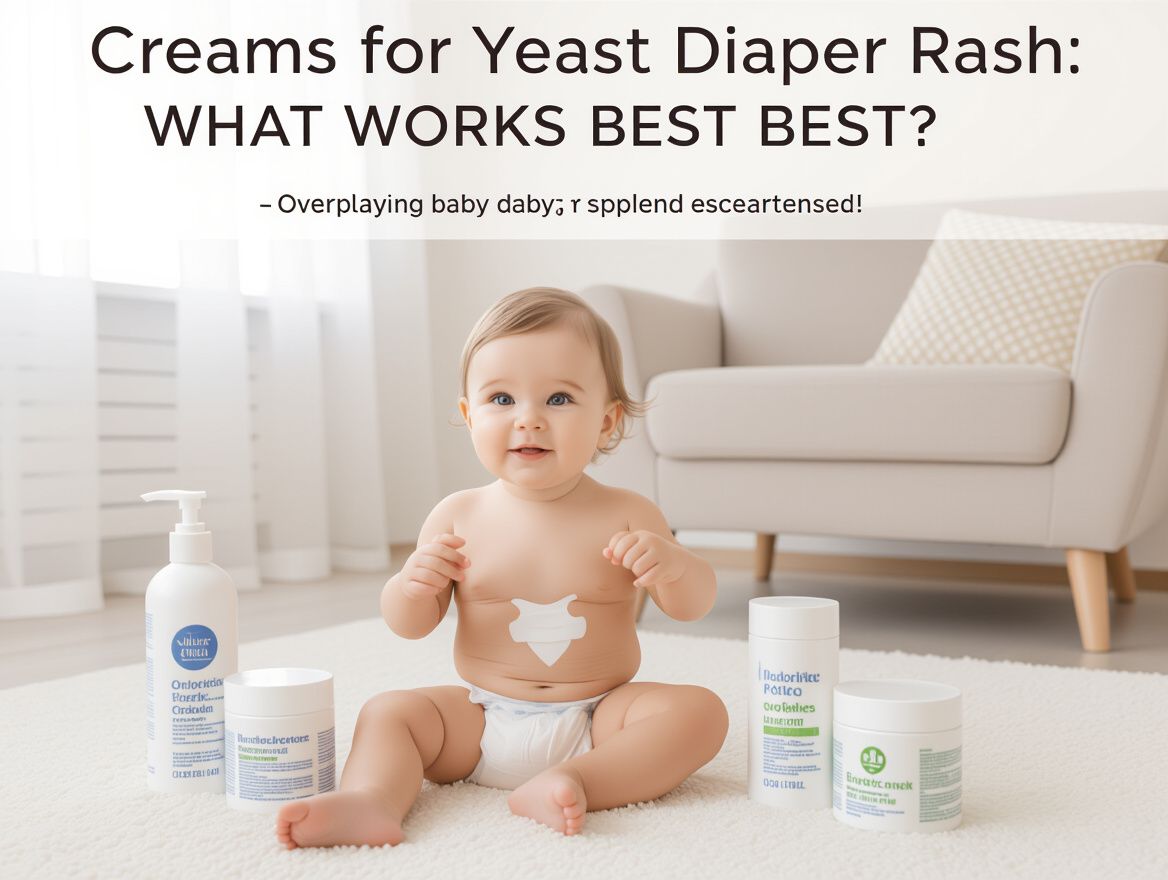
Creams for Yeast Diaper Rash: What Works Best?
Understanding Yeast Diaper Rash
Yeast diaper rash, also known as candidiasis, is a skin condition that occurs when the yeast fungus, often Candida albicans, proliferates in the warm, moist environment of a baby's diaper area. This type of rash is distinct from typical diaper rashes and requires specific attention and treatment to alleviate discomfort and promote healing.
Common Symptoms and Triggers:
- Symptoms: Yeast diaper rash typically manifests as bright red patches, often with raised edges and small red bumps or pustules. It may also appear in skin folds, where moisture can accumulate.
- Triggers: Factors such as prolonged exposure to wet diapers, antibiotic use (which can disrupt normal skin flora), and the introduction of solid foods can increase the risk of developing yeast infections in the diaper area.
Importance of Addressing the Issue Promptly: Timely treatment of yeast diaper rash is essential to prevent further irritation and discomfort for your baby. If left untreated, the rash can worsen, leading to increased pain and potential secondary infections. Parents should be vigilant about recognizing symptoms early and seeking effective treatment options to provide relief.
Key Considerations When Choosing Creams
Selecting the right cream for yeast diaper rash can significantly impact your baby's comfort and recovery. Here are essential factors to help you evaluate your options effectively:
-
Active Ingredients and Their Effectiveness: Look for creams containing antifungal agents such as clotrimazole or miconazole. These ingredients are known to combat yeast infections effectively. Additionally, consider creams with soothing components like zinc oxide or aloe vera, which can help alleviate irritation.
-
Skin Sensitivity and Allergies: It's crucial to assess your baby's skin type. Opt for hypoallergenic formulas if your baby has sensitive skin or a history of allergies. Always check for potential allergens in the ingredient list to minimize the risk of adverse reactions.
-
Ease of Application and Absorption: Choose creams that are easy to apply and absorb well into the skin. Products that leave a greasy residue may not be ideal, as they can trap moisture and exacerbate the rash. Creams that spread easily can help ensure even coverage and quicker relief.
-
Safety for Infants and Long-Term Use: Verify that the cream is specifically designed for infants and is safe for long-term use if needed. Some creams may be formulated for short-term application, while others can be used as a preventive measure. Always consult with a pediatrician if you are unsure about prolonged use.
By considering these criteria, you can make a more informed decision when selecting a cream for yeast diaper rash, ensuring that it meets your baby's specific needs and promotes healing effectively.
How Do Yeast Diaper Rash Creams Work?
Understanding the mechanisms behind creams for yeast diaper rash can help parents make informed choices when seeking relief for their babies. These creams typically employ several strategies to combat yeast infections effectively.
-
Antifungal Properties: Many yeast diaper rash creams contain antifungal agents that target the specific type of fungus responsible for the rash, such as Candida. These ingredients work by disrupting the cell membrane of the yeast, preventing it from multiplying and alleviating the rash.
-
Moisture Barrier Functions: A key feature of these creams is their ability to create a protective barrier on the skin. This barrier helps to lock in moisture while keeping irritants and excess moisture from diapers at bay, which is crucial in preventing further irritation and promoting healing.
-
Soothing Ingredients: Creams often include soothing agents like aloe vera, calendula, or chamomile. These ingredients provide relief from discomfort and inflammation, helping to calm the skin and promote a faster recovery.
When selecting a cream, consider the specific needs of your baby's skin, the severity of the rash, and any potential allergies to ingredients. Each cream may have a different combination of these properties, making it essential to evaluate options based on their active components and intended effects.
Potential Trade-offs and Limitations
When considering creams for yeast diaper rash, it’s essential to weigh potential trade-offs and limitations to ensure effective treatment for your baby. Here are key factors to consider:
-
Possible Side Effects and Skin Reactions: While many creams are designed to be gentle, some may cause skin irritation or allergic reactions in sensitive infants. It's crucial to monitor your baby's skin after application and discontinue use if any adverse reactions occur.
-
Effectiveness Duration and Frequency of Use: The duration of effectiveness can vary widely among different creams. Some may provide quick relief but require frequent reapplication, while others may offer longer-lasting effects. Consider how often you’ll need to apply the cream and whether that fits into your routine.
-
Comparative Effectiveness Against Other Remedies: While creams for yeast diaper rash can be effective, they may not be the only solution. Other remedies, such as antifungal powders or dietary changes, might also be necessary. Evaluating how these options compare in terms of effectiveness and ease of use can help you make an informed decision.
Taking these factors into account will help you navigate the options available and select the most suitable cream for your baby’s needs, ensuring both comfort and safety.
Frequently Asked Questions
When dealing with yeast diaper rash, parents often have pressing concerns about the treatment options available. Here are some common questions and their answers to help guide your decisions:
What should I do if the rash persists?
If the yeast diaper rash does not improve after a few days of treatment with over-the-counter creams, it is essential to consult a pediatrician. Persistent rashes may indicate a need for prescription antifungal medications or a different underlying issue. Regular monitoring of the rash's appearance and any accompanying symptoms can provide valuable information for your healthcare provider.
Can I use regular diaper rash cream for yeast infections?
While some regular diaper rash creams may provide temporary relief, they are not specifically formulated to treat yeast infections. Many contain ingredients that are not effective against fungal infections. It's advisable to choose creams specifically labeled for yeast diaper rash, as they typically contain antifungal agents that target the root cause of the rash.
How often should I apply the cream?
The frequency of application can vary by product, but generally, it is recommended to apply the cream at every diaper change. This ensures that the affected area remains protected and treated consistently. Always follow the instructions provided on the product packaging or by your healthcare provider for the best results.
By addressing these common questions, parents can make informed decisions about the creams for yeast diaper rash, ensuring their baby's comfort and health.
Final Thoughts on Choosing Creams for Yeast Diaper Rash
When selecting creams for yeast diaper rash, it's essential to consider several factors to ensure effective treatment for your baby. Yeast infections can be persistent, and the right product can significantly alleviate discomfort and promote healing. Here are key considerations:
- Active Ingredients: Look for creams containing antifungal agents, such as clotrimazole or miconazole, which are effective against yeast infections.
- Skin Sensitivity: Ensure the cream is suitable for your baby's sensitive skin. Avoid harsh chemicals and fragrances that could cause irritation.
- Moisture Control: A good cream should help maintain a dry environment, as yeast thrives in moisture. Barrier creams can be beneficial in this regard.
- Application Frequency: Consider how often the cream needs to be applied. Some products may require more frequent application, which could affect convenience for parents.
If your baby's rash does not improve or worsens despite using over-the-counter treatments, it's crucial to consult with a pediatrician. They can provide guidance tailored to your baby's specific needs and may recommend prescription-strength options if necessary. Making informed choices will help ensure your baby receives the best care possible for yeast diaper rash.
More in Diaper Rash Creams
View All