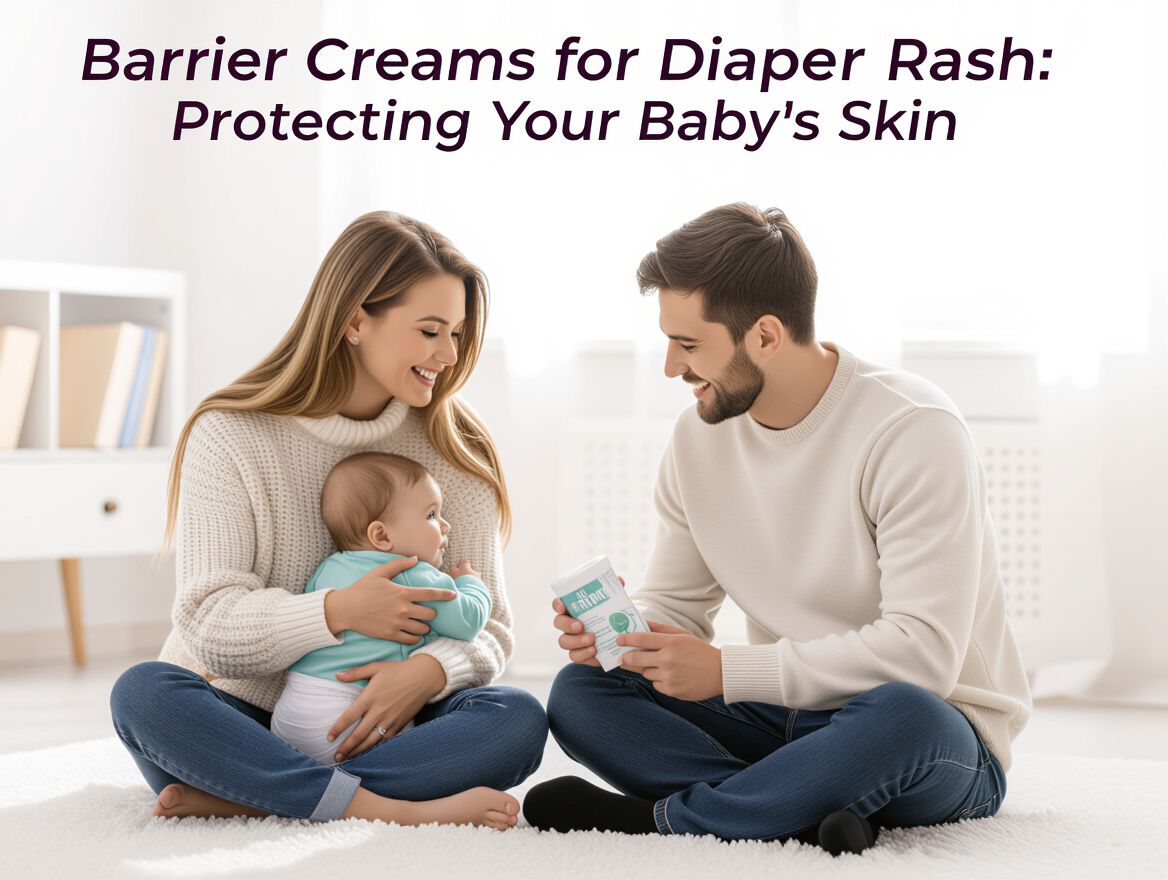
Barrier Creams for Diaper Rash: Protecting Your Baby's Skin
Understanding Diaper Rash and the Role of Barrier Creams
Diaper rash is a common skin condition affecting infants, characterized by red, inflamed skin in the diaper area. It can be uncomfortable for babies and concerning for parents. Understanding the causes and prevention methods is crucial for maintaining your baby's skin health.
Common Causes of Diaper Rash
- Moisture: Prolonged exposure to wet diapers can lead to skin irritation.
- Friction: Rubbing against the diaper can cause skin breakdown.
- Irritants: Chemicals in wipes, diapers, or soaps may trigger reactions.
- Infections: Yeast or bacterial infections can exacerbate rashes.
Importance of Prevention
Preventing diaper rash is significantly easier than treating it. Barrier creams play a vital role in this proactive approach. These creams create a protective layer on the skin, shielding it from moisture and irritants.
Key Benefits of Barrier Creams
- Protection: Forms a barrier against moisture and irritants.
- Healing: Some formulations contain ingredients that promote skin healing.
- Comfort: Reduces friction and irritation, keeping the skin comfortable.
Incorporating barrier creams into your diapering routine can make a substantial difference in preventing diaper rash, ensuring your baby's skin remains healthy and irritation-free. Understanding the various causes and the protective qualities of these creams will empower parents to make informed choices for their little ones.
Key Features to Look for in Barrier Creams
When selecting barrier creams for diaper rash, understanding the essential features can help ensure you choose a product that effectively protects your baby's delicate skin. Here are the key criteria to consider:
-
Active Ingredients: Look for creams containing zinc oxide, petrolatum, or lanolin, as these ingredients form a protective barrier against moisture and irritants. They can help prevent and soothe diaper rash.
-
Texture and Consistency: A thicker cream may provide a more effective barrier, while a lighter lotion may be easier to apply. Consider your preference for how the cream feels on your baby's skin and how it adheres.
-
Hypoallergenic Properties: Choose products labeled as hypoallergenic to reduce the risk of allergic reactions or skin irritation. This is especially important for babies with sensitive skin.
-
Ease of Application and Removal: Select a cream that is easy to apply without excessive rubbing, as gentle application is crucial for your baby's comfort. Additionally, consider how easily the cream washes off during diaper changes, as this can impact your routine.
By focusing on these key features, you can make a more informed decision that aligns with your baby's needs and your parenting style, ultimately helping to prevent and treat diaper rash effectively.
Understanding the Trade-offs of Using Barrier Creams
While barrier creams for diaper rash are widely recognized for their protective qualities, it’s important for parents to consider the potential downsides and limitations associated with their use. Understanding these trade-offs can help in making informed decisions about your baby's skincare.
-
Possible Skin Reactions or Allergies: Some infants may experience skin sensitivities or allergic reactions to certain ingredients in barrier creams. Common irritants can include fragrances, preservatives, or specific active components. It’s advisable to conduct a patch test when introducing a new product to your baby's routine.
-
Effectiveness Compared to Other Treatments: Barrier creams primarily serve as a protective layer to prevent moisture and irritants from coming into contact with the skin. However, they may not be as effective in treating existing rashes compared to medicated creams or ointments that address inflammation or infection. Parents should assess whether they are looking for preventive care or treatment.
-
Cost Considerations: Barrier creams can vary significantly in price, and while some may offer premium ingredients or formulations, parents should evaluate whether the additional cost translates to better performance. Budget-friendly options may be just as effective, so it’s wise to compare ingredients and reviews to find a suitable product that fits your needs without overspending.
By weighing these factors, parents can make more confident decisions about using barrier creams for diaper rash, ensuring that they choose products that align with their baby's specific skin needs and their family’s budget.
Are Barrier Creams the Right Choice for Your Baby?
When considering barrier creams for diaper rash, it’s essential to evaluate whether they meet your baby's specific needs. These creams can provide a protective layer against moisture and irritants, but not every baby will respond the same way.
Key Considerations:
-
Age and Skin Sensitivity:
- Newborns and infants often have particularly sensitive skin. It’s crucial to choose a barrier cream formulated specifically for their age group. Some creams contain ingredients that may be too harsh for very young babies, so look for those labeled as hypoallergenic or suitable for sensitive skin.
-
Consulting a Pediatrician:
- If your baby experiences frequent or severe diaper rash, consulting a pediatrician is advisable. They can assess if barrier creams are appropriate or if another treatment is necessary. This is especially important if the rash persists despite using a barrier cream, as it may indicate an underlying issue.
-
Alternatives to Barrier Creams:
- While barrier creams are widely used, alternatives exist. For instance, some parents opt for natural oils or ointments that can also provide moisture protection without the potential additives found in some commercial creams. Additionally, frequent diaper changes and allowing the skin to air out can help prevent rashes without relying solely on creams.
Trade-offs and Risks:
-
Ingredient Sensitivity:
- Some babies may react negatively to certain ingredients found in barrier creams, such as fragrances or preservatives. Always check the ingredient list and consider performing a patch test on a small area of your baby's skin before full application.
-
Effectiveness Variability:
- Not every barrier cream works the same for each baby. It may take some trial and error to find a product that effectively prevents or treats diaper rash for your child.
In summary, while barrier creams can be beneficial, assessing your baby's specific needs and consulting healthcare professionals when necessary can help you make an informed decision.
Risks and Considerations When Using Barrier Creams
While barrier creams for diaper rash can provide essential protection for your baby's skin, there are important risks and considerations parents should keep in mind to ensure safe and effective use.
-
Misuse of Products: Over-application or incorrect use of barrier creams can lead to a buildup on the skin, which may trap moisture instead of providing a protective barrier. It's crucial to follow the manufacturer's instructions regarding the amount and frequency of application to avoid this issue.
-
Over-reliance on Creams: While barrier creams are beneficial, relying solely on them without addressing underlying causes of diaper rash, such as prolonged exposure to wetness or irritants, can be counterproductive. Parents should maintain a balanced approach that includes regular diaper changes and proper cleaning techniques.
-
Signs of Skin Reactions: Monitor your baby's skin for any signs of irritation or allergic reactions after using a barrier cream. Symptoms may include redness, swelling, or a rash that worsens rather than improves. If you notice any adverse reactions, discontinue use and consult a pediatrician for alternative solutions.
By being aware of these risks and considerations, you can use barrier creams effectively while safeguarding your baby's sensitive skin against potential issues.
Frequently Asked Questions About Barrier Creams for Diaper Rash
When it comes to choosing barrier creams for diaper rash, parents often have several common questions. Understanding the answers can help you make informed decisions about your baby's skincare.
-
How often should barrier creams be applied?
Barrier creams can be applied at every diaper change, especially if your baby is prone to diaper rash. Frequent applications help maintain a protective layer on the skin, reducing the risk of irritation from moisture and friction. -
Can barrier creams be used with cloth diapers?
Many barrier creams are compatible with cloth diapers, but it's essential to check the product label. Some ingredients can build up on cloth, potentially causing repelling issues. Look for creams specifically labeled as cloth diaper safe to ensure they won’t affect the absorbency. -
What should I do if my baby has a rash despite using barrier cream?
If a rash develops even with the use of barrier cream, it's crucial to reassess the situation. Ensure that the cream is applied correctly and frequently. Additionally, consider factors such as diaper fit, frequency of changes, and any new products introduced to your baby's routine. If the rash persists or worsens, consult a pediatrician for further guidance.
By addressing these common questions, parents can better navigate the use of barrier creams for diaper rash, ensuring they provide the best care for their baby's sensitive skin.
Final Thoughts on Choosing Barrier Creams for Diaper Rash
In summary, barrier creams for diaper rash play a crucial role in protecting your baby's skin from irritation and discomfort. These creams form a protective layer that can prevent moisture and irritants from causing rashes, making them an essential item in your diapering routine. When selecting a barrier cream, it’s vital to consider the specific needs of your baby, including skin sensitivity and the frequency of diaper changes.
To make an informed choice, here are some important points to keep in mind:
-
Research Ingredients: Familiarize yourself with the active ingredients and their benefits. Understanding how different components like zinc oxide or petrolatum work can help you select a cream that best suits your baby's needs.
-
Consult Healthcare Professionals: When in doubt, seek advice from your pediatrician or a dermatologist. They can provide tailored recommendations based on your baby's skin type and any existing conditions.
-
Monitor for Reactions: After applying a new cream, observe your baby's skin for any signs of irritation or allergic reactions. This vigilance will help ensure that the product you choose is safe and effective.
By taking these steps, you can confidently choose a barrier cream that offers the protection your baby needs against diaper rash, ultimately contributing to their comfort and well-being.

More in Diaper Rash Creams
View All