The Ultimate Guide to Changing Tables and Pads
Understanding the Importance of Changing Tables and Pads
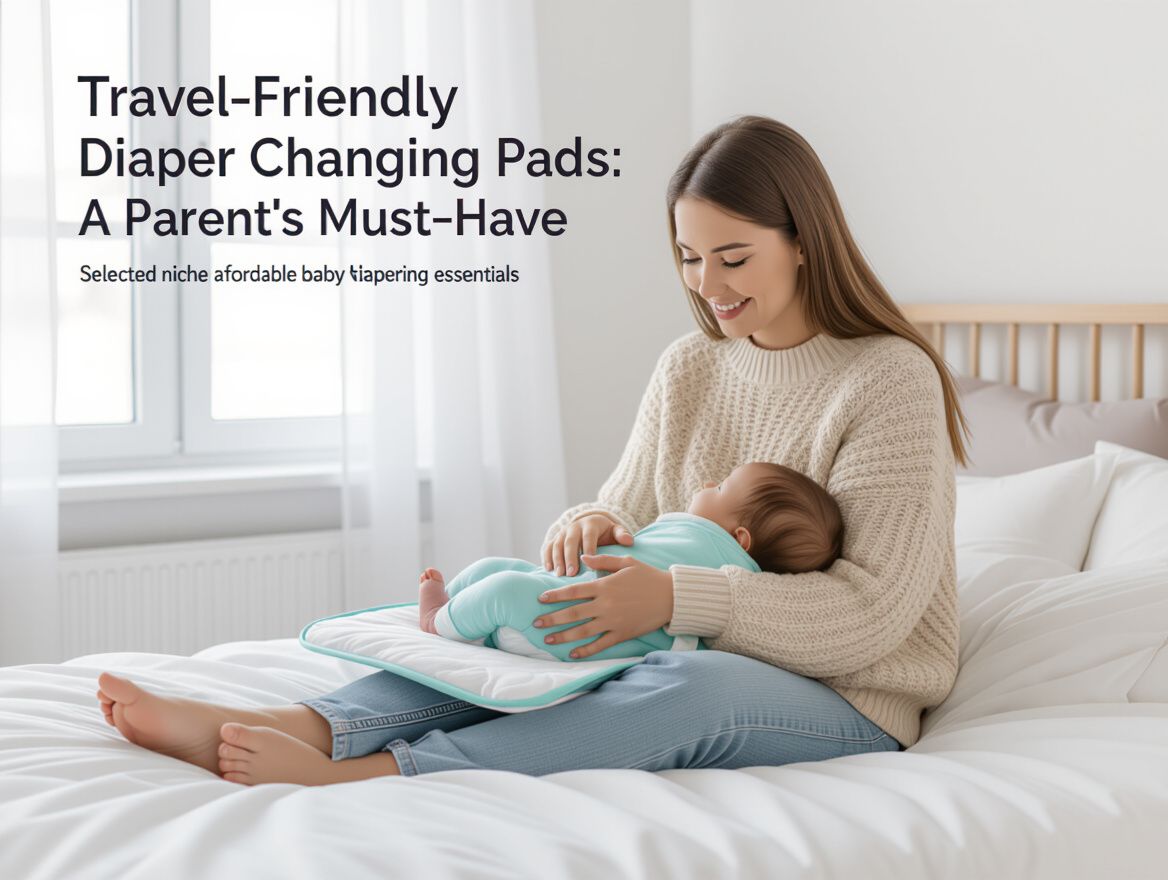
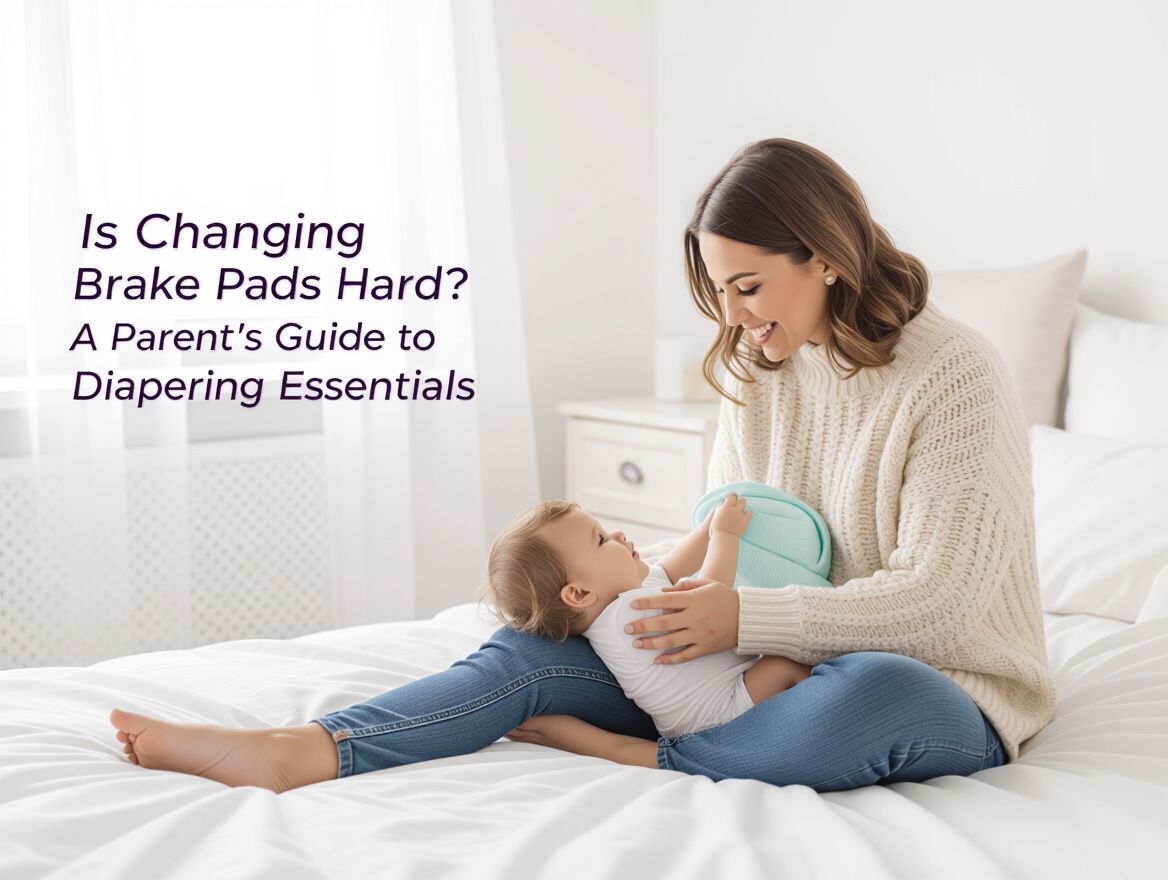
Changing tables and pads are essential tools for new parents and caregivers, providing a designated space for diaper changes that promotes safety and convenience. These products not only enhance the efficiency of diapering tasks but also help maintain hygiene and organization during a potentially messy process.
Benefits of Using Changing Tables and Pads
- Safety and Comfort: Elevated surfaces reduce the risk of back strain for caregivers while keeping infants secure during changes.
- Organization: Many changing tables come equipped with storage options for diapers, wipes, and other essentials, streamlining the changing process.
- Hygiene: Using a dedicated changing pad helps protect the changing surface and is easier to clean than other surfaces.
Key Features to Consider
When selecting changing tables and pads, consider the following features to ensure they meet your specific needs:
- Size and Space: Measure the available space in your home to find a changing table that fits comfortably, without overcrowding the nursery.
- Material and Ease of Cleaning: Look for pads made from waterproof materials that can be easily wiped down or machine washed.
- Safety Features: Check for features such as safety straps and rounded edges to prevent accidents.
Understanding these aspects will help you choose the right changing tables and pads tailored to your lifestyle and infant care needs.
Comparing Types of Changing Tables
When selecting a changing table, understanding the various styles available is essential for new parents and caregivers. Each type—traditional, portable, and wall-mounted—offers unique benefits and trade-offs that can significantly influence your decision based on space, budget, and lifestyle needs.
Traditional Changing Tables
Pros:
- Stability: Generally offers a sturdy structure for safe diaper changes.
- Storage: Often includes shelves or drawers for easy access to supplies.
Cons:
- Space Requirements: Can be bulky, requiring a dedicated area in your nursery.
- Cost: Typically more expensive due to construction materials and added features.
Price Range: Generally varies from $100 to $400, depending on materials and design.
Portable Changing Tables
Pros:
- Mobility: Lightweight and easy to move around the house or take on trips.
- Compact Design: Ideal for smaller spaces or as a secondary changing solution.
Cons:
- Stability Concerns: May not be as sturdy as traditional options, which could be a consideration for active infants.
- Limited Storage: Usually lacks additional space for supplies.
Price Range: Usually falls between $50 and $200.
Wall-Mounted Changing Tables
Pros:
- Space-Saving: Perfect for small homes or apartments, as they can be folded away when not in use.
- Safety: Often designed with safety straps and secure mounting options.
Cons:
- Installation Required: May need professional installation for secure mounting.
- Limited Use: Can only be used in designated areas, which might not be convenient for all caregivers.
Price Range: Typically ranges from $100 to $300, depending on the design and materials.
Key Considerations
When deciding on the best changing table type for your needs, consider the following factors:
- Space Availability: Measure your available space to determine which type fits best without overcrowding.
- Budget: Set a budget that aligns with your priorities, whether that’s durability, design, or additional features.
- Lifestyle Needs: Think about your mobility needs and whether you require a changing solution that can adapt to various locations.
By weighing these pros and cons against your specific circumstances, you can make a more informed decision about which changing table style will best serve your family’s needs.
Evaluating Changing Pads: What to Look For
When selecting changing pads, it’s essential to consider various factors that cater to your specific needs and circumstances. Different types of changing pads—such as contoured, flat, and disposable—each come with unique features that may suit different situations.
Material Safety and Comfort
- Non-toxic Materials: Ensure the changing pad is made from safe, non-toxic materials that are free from harmful chemicals. Look for certifications like Greenguard Gold or Oeko-Tex Standard 100.
- Comfort: Padding thickness can impact your baby's comfort during changes. Opt for pads that offer sufficient cushioning while remaining firm enough for safety.
Ease of Cleaning
- Waterproof Covers: Choose changing pads with waterproof covers, as these are easier to wipe clean and help maintain hygiene.
- Removable Covers: Pads with removable, machine-washable covers allow for convenient cleaning and maintenance, essential for busy caregivers.
Size and Compatibility with Tables
- Standard Dimensions: Changing pads come in various sizes. Ensure the pad fits your changing table snugly to prevent slipping. Measure your table before purchasing.
- Portability: If you plan to use the changing pad in multiple locations, consider a lightweight and portable option that can be easily moved or stored.
Trade-offs and Considerations
- Contoured vs. Flat: Contoured pads provide extra security by keeping the baby in place, while flat pads offer versatility for different surfaces. Assess your primary use case to determine the best fit.
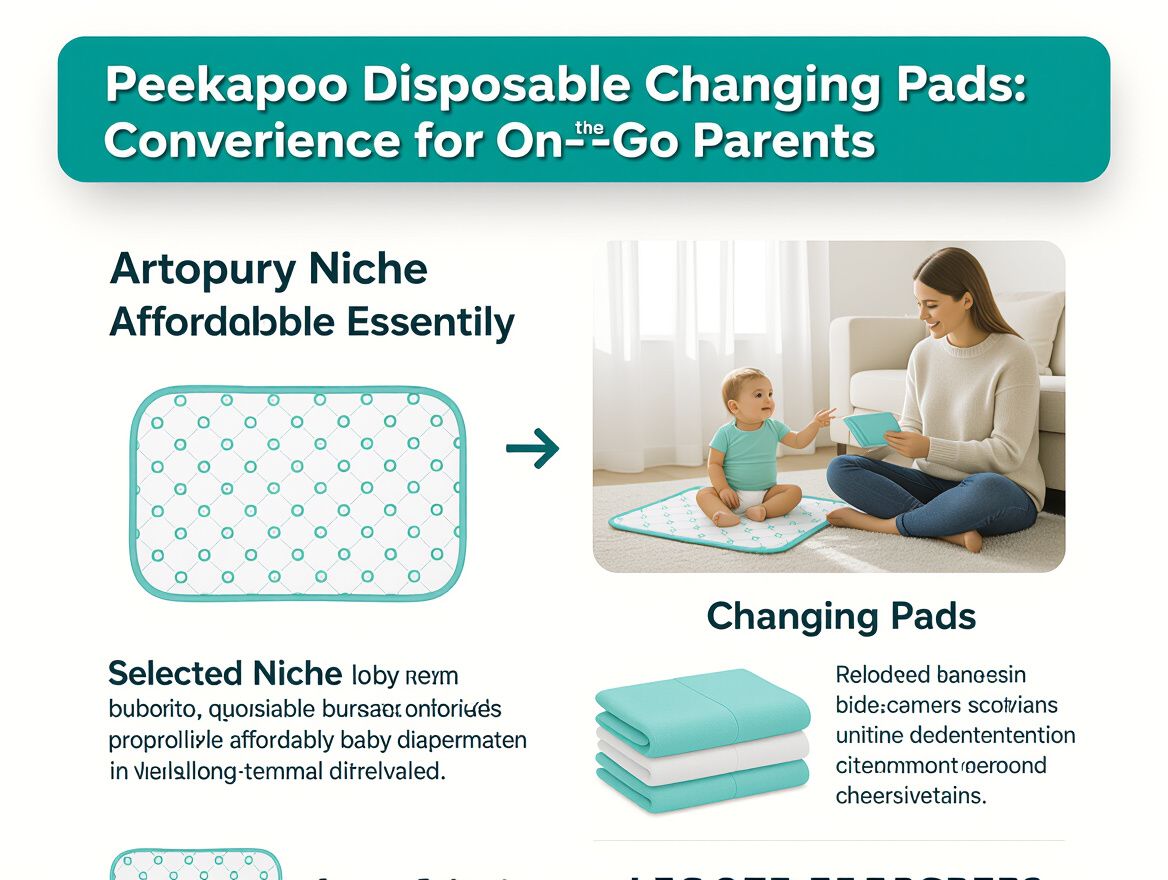
- Disposable vs. Washable: Disposable pads are convenient for travel but may be less environmentally friendly. Washable options can save money in the long run but require regular laundering.
By taking these factors into account, you can make a more informed decision on the best changing pad for your needs, ensuring safety, comfort, and practicality during diaper changes.
Essential Buying Criteria for Changing Tables and Pads
When selecting changing tables and pads, new parents and caregivers should consider several essential features to ensure they meet their specific needs. Here’s a checklist to guide your decision-making process:
Safety Features
- Stability and Design: Ensure the changing table has a sturdy design to prevent tipping. Look for tables with a broad base.
- Strap Systems: Check for safety straps that can secure your baby during changes, reducing the risk of falls.
- Non-toxic Materials: Verify that the materials used are free from harmful chemicals, especially if the table or pad has a finish.
Durability and Longevity
- Material Quality: Opt for tables and pads made from high-quality materials that can withstand daily use. Check for water-resistant surfaces that are easy to clean.
- Construction: Look for solid wood or metal frames for changing tables, as these tend to last longer than particle board options.
- Warranty Information: Consider products that come with a warranty, indicating the manufacturer's confidence in their durability.
Cost-effectiveness and Warranty Options
- Budget Considerations: Set a budget that reflects your needs but also allows for quality. Sometimes investing a bit more upfront can save costs in the long run.
- Warranty and Return Policy: Review the warranty terms and return policy. A good warranty can provide peace of mind regarding your investment.
- Comparative Value: Assess the features offered against the price. Sometimes, a higher-priced item may offer better value if it includes additional features or longer durability.
By thoroughly evaluating these criteria, you can make an informed choice that aligns with your lifestyle and budget, ensuring a safe and effective changing experience for your baby.
Potential Risks and Trade-offs
When selecting changing tables and pads, it's essential to weigh potential risks and trade-offs that could impact your experience and your baby's safety. Here are some critical considerations to keep in mind:
-
Space Limitations: Changing tables can vary significantly in size. In smaller homes or apartments, a bulky changing table may not fit well, leading to cramped spaces. Consider the dimensions of your nursery or changing area before making a purchase. Compact, multi-functional designs may offer a better fit for limited spaces.
-
Budget Constraints: Prices for changing tables and pads range widely, depending on features and materials. While investing in a higher-end model may provide durability and added features, budget-friendly options can still meet basic needs. Assess your budget and prioritize essential features versus luxury elements to avoid overspending.
-
Potential for Injury: Safety is paramount when using changing tables. If not used correctly, there is a risk of falls or accidents, especially if the changing pad does not fit securely or if the baby is left unattended. Ensure that the changing table has safety features like guardrails and a stable base, and always supervise your baby during changes.
By understanding these risks and trade-offs, you can make a more informed decision that aligns with your needs and circumstances.
Frequently Asked Questions
As new parents and caregivers navigate the world of diaper changes, they often have questions about changing tables and pads. Here are some common inquiries that can help inform your decision-making process.
What is the best height for a changing table?
The ideal height for a changing table typically ranges from 30 to 36 inches. This height allows most caregivers to change diapers comfortably without straining their backs. When selecting a changing table, consider your own height and the height of regular users to ensure it fits well for daily use.
How long can I use a changing pad?
Changing pads can generally be used until your child reaches about 30 pounds or starts to roll over and sit up independently. This age usually falls between 2 to 3 years, depending on the child's growth. It's important to check the manufacturer's guidelines for weight limits and safety recommendations to ensure the pad remains suitable as your child grows.
Are there eco-friendly options available?
Yes, there are a variety of eco-friendly changing tables and pads on the market. Look for products made from sustainable materials, such as organic cotton or non-toxic finishes. Additionally, some brands offer pads that are biodegradable or made from recycled materials, which can be a great choice for environmentally conscious parents. Always check product labels for certifications that indicate eco-friendliness.
Understanding these key questions can help you make informed decisions when selecting the right changing tables and pads for your needs, ensuring a safe and comfortable experience for both you and your child.
Making the Right Choice for Your Family
Selecting the ideal changing tables and pads for your family requires careful consideration of various factors to ensure they align with your unique needs. As you weigh your options, keep in mind the following key features, trade-offs, and personal circumstances that can impact your decision.
Recap of Important Features
- Space Efficiency: Ensure the changing table fits well in your designated area, allowing for easy movement and accessibility.
- Material Quality: Look for durable materials that are easy to clean, as this will enhance hygiene and longevity.
- Safety Mechanisms: Prioritize safety features such as secure straps and rounded edges to protect your baby during changes.
Thoughtful Consideration of Options
As you explore different changing tables and pads, reflect on your lifestyle and how these products will integrate into your daily routine. Consider:
- Usage Frequency: If you plan to change diapers frequently, a more robust table with ample storage may be beneficial.
- Mobility Needs: For those with limited space or who may need to move the changing area, portable options can be a practical choice.
Final Thoughts on Selecting the Best Table and Pad
In conclusion, the selection of changing tables and pads should be guided by your family's specific requirements, including safety, convenience, and space. Take the time to evaluate the features that matter most to you, and weigh the trade-offs associated with different models. By doing so, you can confidently choose a solution that will support your parenting journey effectively.