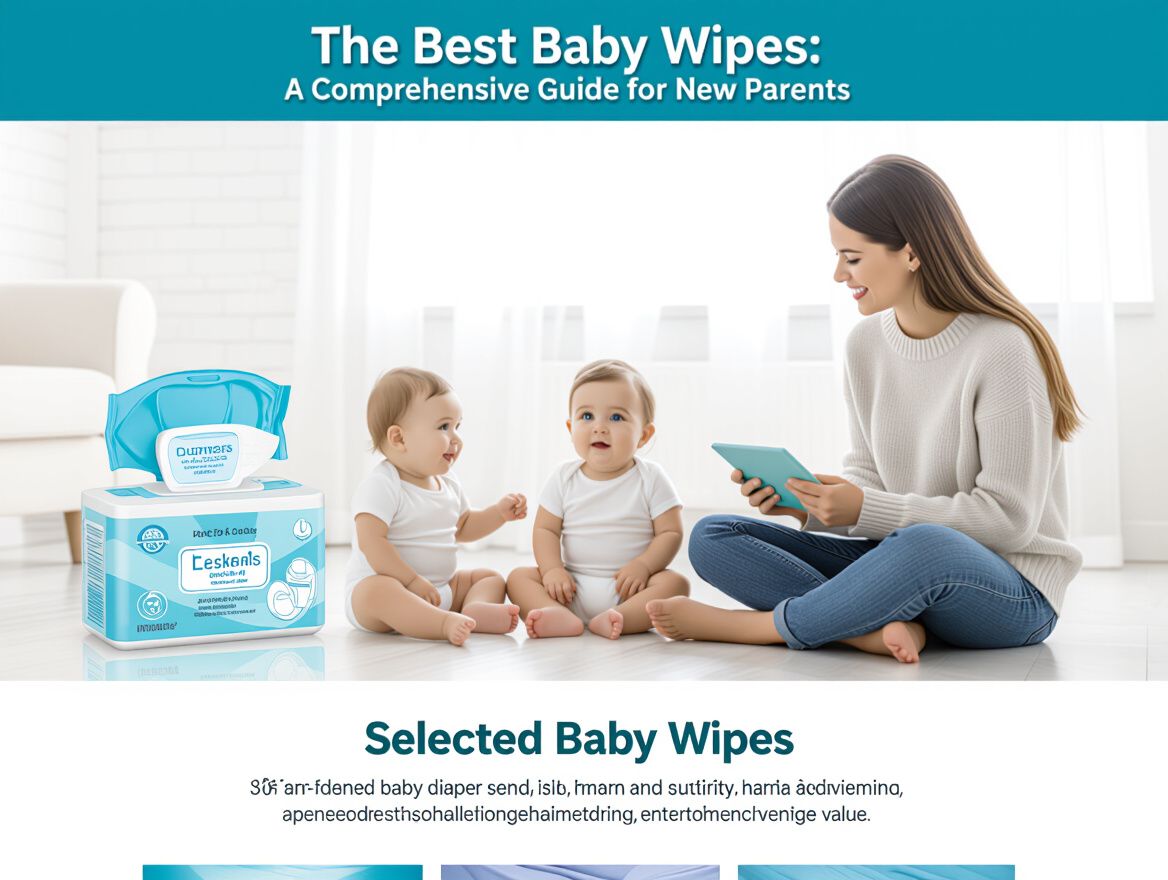
The Best Baby Wipes: A Comprehensive Guide for New Parents
Understanding Baby Wipes: What You Need to Know
Baby wipes are an essential tool for new parents, providing convenience and hygiene in various aspects of infant care. They are designed to clean your baby’s skin gently and effectively, making them a staple for diaper changes, messy hands, and even quick clean-ups during outings.
When exploring baby wipes, it's important to recognize the different types available:
- Wet Wipes: These are pre-moistened and ready to use, ideal for immediate cleaning.
- Dry Wipes: These require water or a solution for activation, giving parents control over the moisture level.
- Sensitive Skin Wipes: Formulated without harsh chemicals, these are suitable for babies with allergies or sensitive skin.
- Eco-Friendly Wipes: Made from biodegradable materials, these options cater to environmentally conscious parents.
Understanding these types will help you determine which wipes align best with your baby’s needs and your parenting style. As you evaluate your options, consider factors such as ingredient safety, packaging convenience, and cost. Each type of wipe offers unique benefits, but trade-offs may include price differences and potential environmental impacts. Balancing these considerations will aid you in selecting the best baby wipes for your family.
Key Criteria for Choosing Baby Wipes
When selecting baby wipes, it's essential to evaluate several criteria to ensure that you choose a product that meets your needs and those of your baby. Here’s a checklist of key factors to consider:
-
Material and Ingredients:
- Look for wipes made from soft, durable materials that are gentle on sensitive skin.
- Check the ingredient list for potential allergens or irritants, especially if your baby has known sensitivities.
-
Size and Thickness:
- Consider the size of the wipes; larger wipes may cover more surface area, making cleanup easier.
- Thickness is also important—thicker wipes can be more effective for tougher messes but may be bulkier to carry.
-
Scent and Hypoallergenic Options:
- Unscented wipes are often recommended for sensitive skin to avoid irritation.
- If you prefer scented options, ensure they are derived from natural sources and hypoallergenic.
-
Eco-friendliness and Packaging:
- Investigate whether the wipes are biodegradable or made from sustainable materials, as many parents are becoming more eco-conscious.
- Additionally, consider the packaging; resealable packs can help keep wipes moist and reduce waste.
By carefully assessing these criteria, you can make an informed decision that balances quality, safety, and environmental impact for your baby.
Comparing Popular Baby Wipe Brands
When it comes to choosing baby wipes, new parents face a variety of options that differ in quality, features, and pricing. Understanding these differences is crucial to making an informed decision. Here we delve into three popular baby wipe brands, highlighting their unique characteristics to help you navigate your choices effectively.
Brand Overview
-
Brand A
- Features: Hypoallergenic, fragrance-free, and infused with aloe vera for added moisture.
- Price Range: Mid-range pricing, often available in bulk packages.
- Consumer Ratings: Generally high ratings for softness and effectiveness, with many parents praising its gentle formula on sensitive skin.
-
Brand B
- Features: Biodegradable materials, free from harsh chemicals, and designed for eco-conscious consumers.
- Price Range: Slightly higher than average due to sustainable sourcing.
- Consumer Ratings: Positive feedback for environmental benefits, though some users note that they may not be as thick as traditional wipes.
-
Brand C
- Features: Extra thick and durable, with a textured surface for tougher messes.
- Price Range: Budget-friendly, making it accessible for families looking to save.
- Consumer Ratings: Mixed reviews; while many appreciate the price, some express concerns about the presence of certain preservatives.
Key Comparison Criteria
- Material Quality: Consider whether you prefer wipes made from synthetic or natural materials, as this can affect comfort and environmental impact.
- Moisture Level: Some wipes are wetter than others, which can be beneficial for cleaning but may also lead to leakage if not stored properly.
- Additives: Look for wipes that are free from alcohol, parabens, and fragrances if your baby has sensitive skin or allergies.
- Packaging: Resealable packs can help maintain moisture, while bulk packaging can offer savings.
Trade-offs and Considerations
- Price vs. Quality: Higher-end wipes often boast better ingredients and features, but budget-friendly options can still perform well.
- Environmental Impact: Eco-friendly wipes may cost more but can be a worthwhile investment for environmentally conscious families.
- User Experience: The thickness and texture of a wipe can significantly influence its effectiveness, especially during messy situations.
Choosing the right baby wipes depends on balancing these factors according to your family's needs. By understanding the features and trade-offs of each brand, you can make a decision that aligns with your values and your baby's comfort.
Understanding Trade-offs and Risks
Choosing the right baby wipes involves navigating various trade-offs and potential risks that can significantly affect your experience as a new parent. Here are some crucial considerations to keep in mind:
-
Cost vs. Quality: While it may be tempting to opt for the cheapest option available, lower-priced wipes can sometimes compromise on quality. Higher-quality wipes often contain better materials and fewer irritants, which can be essential for your baby's sensitive skin. Balancing your budget with the quality of wipes is vital to ensure your baby's comfort and safety.
-
Allergic Reactions or Sensitivities: Not all baby wipes are created equal. Some contain fragrances, alcohol, or preservatives that can trigger allergic reactions or sensitivities in babies. It's important to examine the ingredients list, especially if your baby has a history of skin issues. Consider hypoallergenic options that are free from common irritants to minimize the risk of adverse reactions.
-
Environmental Impact of Disposable Wipes: Many parents are becoming increasingly aware of the environmental implications of disposable baby wipes. Traditional wipes contribute to landfill waste and may not break down easily. If sustainability is a priority for you, consider looking into biodegradable or eco-friendly options, which may come at a higher price but can help reduce your environmental footprint.
By weighing these factors, you can make a more informed decision that aligns with your family's needs and values.
Frequently Asked Questions About Baby Wipes
When it comes to choosing baby wipes, new parents often have many questions. Here are answers to some of the most common concerns regarding baby wipes, helping you make informed decisions.
What are the benefits of using baby wipes over alternatives?
Baby wipes offer several advantages compared to alternatives like washcloths or cotton balls:
- Convenience: Baby wipes are pre-moistened and ready to use, making them ideal for on-the-go changes.
- Gentleness: Many baby wipes are designed specifically for sensitive skin, reducing the risk of irritation.
- Hygiene: They help maintain cleanliness and can be used for more than just diaper changes, such as cleaning hands and faces.
How should baby wipes be stored?
Proper storage of baby wipes is crucial for maintaining their quality:
- Keep them sealed: Always close the pack tightly after use to prevent drying out.
- Store in a cool, dry place: Avoid direct sunlight and extreme temperatures, which can affect the wipes' moisture and effectiveness.
- Check expiration dates: Some wipes have a shelf life; using them past their expiration date may lead to reduced quality.
Are there any concerns regarding the ingredients in baby wipes?
Yes, ingredient safety is a common concern for many parents:
- Fragrances and preservatives: Some wipes contain added fragrances or preservatives that may irritate sensitive skin. Look for hypoallergenic options if your baby has skin sensitivities.
- Alcohol and parabens: Avoid wipes with alcohol or parabens, as they can be harsh on delicate skin.
- Natural alternatives: If you're cautious about chemicals, consider wipes made with organic or natural ingredients, though verify their effectiveness for cleaning.
Understanding these factors can significantly impact your experience with baby wipes and ensure you choose the best option for your baby’s needs.
Making the Right Choice for Your Baby
Choosing the right baby wipes is a significant decision for new parents, as it impacts both your baby's comfort and your convenience. With various options available, understanding the key factors can help you make an informed choice that aligns with your family's needs.
Key Considerations:
- Skin Sensitivity: If your baby has sensitive skin or allergies, look for wipes specifically designed for sensitive skin. These often contain fewer chemicals and are hypoallergenic.
- Ingredients: Review the ingredient list for potential irritants. Natural or organic options may be preferable for those concerned about harsh chemicals.
- Moisture Level: Consider whether you prefer pre-moistened wipes or dry wipes that you can wet as needed. The latter allows for customization but requires an additional step.
- Environmental Impact: Eco-friendly wipes are made from biodegradable materials, which can be a priority for environmentally conscious parents.
- Cost: Prices can vary significantly based on brand, features, and packaging. Balance your budget with the desired quality and quantity.
Trade-offs to Consider:
- Convenience vs. Cost: Pre-moistened wipes are convenient for on-the-go use but may come at a higher price point compared to dry wipes.
- Effectiveness vs. Sensitivity: While some wipes are highly effective at cleaning, they may contain fragrances or preservatives that could irritate sensitive skin.
- Environmental Benefits vs. Availability: Eco-friendly options may not always be as readily available in all stores, so consider your access to these products.
By weighing these factors, you can better determine which baby wipes will best suit your family's lifestyle and your baby's needs. Remember that the right choice might vary from one family to another, so take the time to assess what matters most to you.