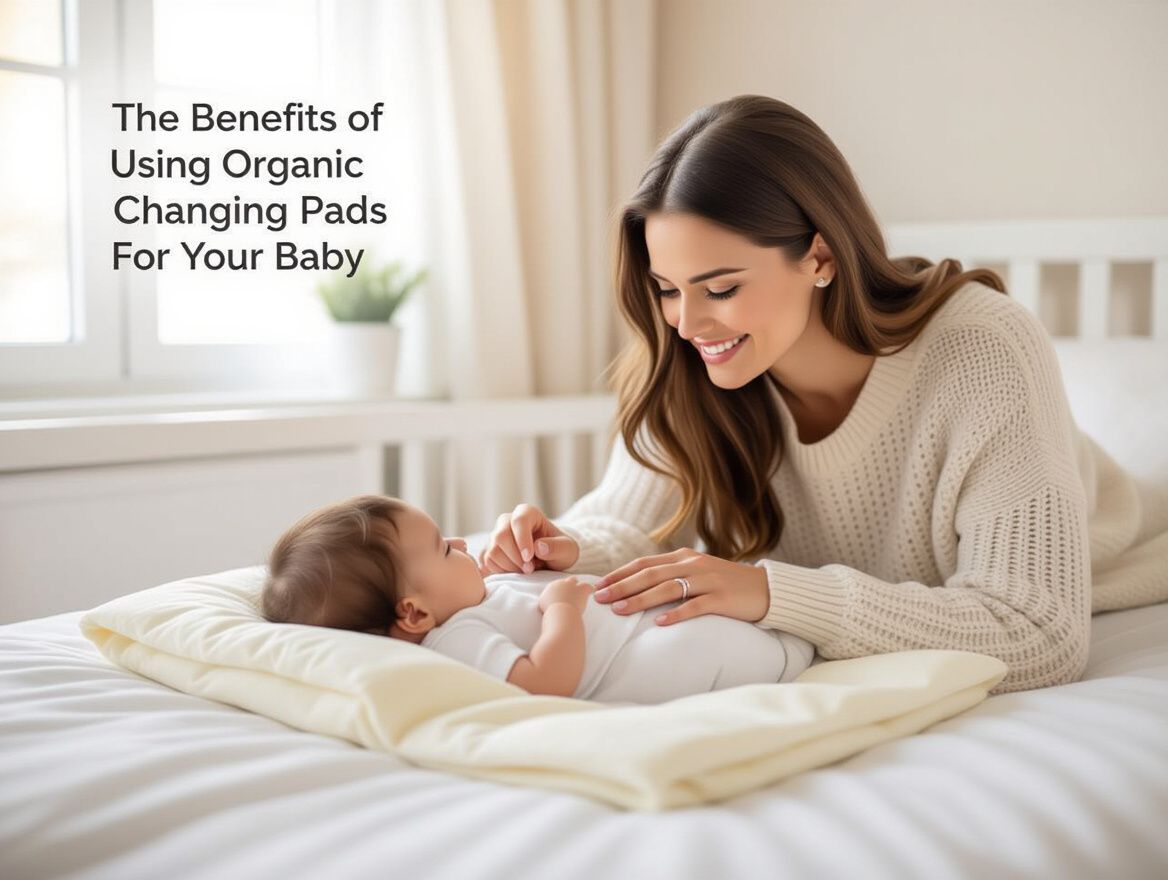
The Benefits of Using Organic Changing Pads for Your Baby
Why Choose Organic Changing Pads?
As parents become increasingly aware of the products they use for their babies, organic changing pads have gained attention for their safety and environmental benefits. These pads are made from materials that are free from harmful chemicals, providing a safer option for diaper changes.
Conventional changing pads often contain synthetic materials treated with chemicals such as flame retardants, phthalates, and volatile organic compounds (VOCs). These substances can potentially leach into the environment or come into contact with your baby’s skin, raising concerns about long-term health effects.
Opting for organic changing pads offers several advantages:
- Chemical-Free Materials: Organic pads are typically made from natural fibers like cotton or bamboo, which are grown without synthetic pesticides or fertilizers.
- Reduced Environmental Impact: By choosing organic, parents support sustainable farming practices that are less harmful to the environment.
- Hypoallergenic Properties: Organic materials are often gentler on sensitive skin, reducing the risk of rashes or allergies for your baby.
- Durability and Quality: Many organic pads are designed to last longer, which can be more economical over time.
In summary, organic changing pads address key concerns about chemical exposure and environmental sustainability, making them a worthwhile consideration for conscientious parents.
Key Criteria for Selecting Organic Changing Pads
When considering organic changing pads, it's essential to evaluate specific features that ensure safety and functionality for both your baby and the environment. Here’s a checklist to guide your decision-making process:
-
Material Certifications: Look for pads certified by reputable organizations such as GOTS (Global Organic Textile Standard) or OEKO-TEX. These certifications indicate that the materials used are free from harmful chemicals and are sourced sustainably.
-
Absorbency and Leak-Proof Features: Ensure that the changing pad has adequate absorbency to handle spills and leaks. Some organic pads come with additional leak-proof layers, which can help protect your surfaces and reduce mess.
-
Size and Compatibility: Measure your changing table or designated changing area to ensure the pad fits properly. Many organic changing pads come in standard sizes, but it's crucial to confirm compatibility to avoid any safety risks during use.
-
Ease of Cleaning and Maintenance: Consider how easy it is to clean the changing pad. Some organic options are machine washable, while others may require spot cleaning. Check the manufacturer's care instructions to ensure you can maintain hygiene without excessive effort.
By focusing on these criteria, you can make an informed choice that prioritizes your baby's safety and your environmental values.
Understanding Trade-offs and Limitations
When considering organic changing pads, parents should weigh the potential downsides against the benefits of choosing a more environmentally friendly option. Here are some critical trade-offs to keep in mind:
-
Cost Differences: Organic changing pads typically come at a higher price point compared to conventional options. This is due to the sourcing of natural materials and the absence of harmful chemicals. Parents must evaluate their budget and determine if the premium is justifiable for peace of mind regarding safety.
-
Availability and Variety: While the market for organic baby products is growing, the variety of organic changing pads may still be limited compared to conventional ones. Parents may find fewer styles, colors, or designs, making it essential to prioritize their preferences and needs before committing to a purchase.
-
Durability Concerns: Organic materials can sometimes be less durable than synthetic counterparts. While they are often softer and more comfortable for babies, they may not withstand wear and tear as effectively. Parents should consider how often they plan to use the pad and whether they need something that will hold up over time.
By carefully evaluating these trade-offs, parents can make informed decisions about whether organic changing pads are the right fit for their family and lifestyle.
Assessing the Fit for Your Lifestyle
When considering organic changing pads, it's essential to evaluate how they align with your family's values and lifestyle. Here are key factors to consider:
-
Environmental Impact: Organic changing pads are often made from sustainable materials, which can significantly reduce your carbon footprint. By choosing organic, you contribute to less chemical runoff and support eco-friendly farming practices.
-
Health Concerns for Sensitive Skin: Babies have delicate skin that can be prone to irritation from harsh chemicals found in conventional products. Organic changing pads are typically free from harmful substances like phthalates and formaldehyde, making them a safer choice for infants with sensitive skin.
-
Personal Values Regarding Sustainability: If your family prioritizes sustainability and ethical consumption, organic changing pads may resonate with your beliefs. They often come from brands that emphasize ethical manufacturing processes and transparency.
Considering these aspects can help you determine whether organic changing pads are a suitable investment for your family's health and environmental goals. Balancing these benefits against potential trade-offs, such as cost and availability, is crucial in making an informed decision.
Risks and Caveats of Using Organic Changing Pads
While organic changing pads present a safer alternative for your baby, there are several risks and considerations that parents should keep in mind when making a choice.
-
Misleading Organic Claims: The term "organic" can sometimes be used loosely. Products may be labeled as organic even if they contain only a small percentage of organic materials. It is crucial to verify certifications from recognized organizations to ensure that the product meets genuine organic standards.
-
Possible Allergic Reactions: Natural materials, while generally safer, can still trigger allergies in some infants. Fabrics like cotton or wool, which are often used in organic changing pads, may cause reactions in babies with sensitivities. Conducting a patch test with any new product can help mitigate this risk.
-
Limited Product Testing and Standards: The organic market often lacks the rigorous testing and safety standards found in conventional baby product manufacturing. This can lead to variability in quality and safety between different brands and products. Parents should be diligent in researching specific brands and their safety protocols before making a purchase.
By weighing these risks against the potential benefits of organic changing pads, parents can make more informed decisions that prioritize their child's safety and comfort.
Frequently Asked Questions About Organic Changing Pads
When considering the switch to organic changing pads, many parents have questions regarding their benefits and practicality. Here are some common queries that can help in your decision-making process.
What buyer problem do organic changing pads solve?
Organic changing pads are designed to address concerns about harmful chemicals often found in conventional baby products. Many parents worry about exposure to substances like phthalates, formaldehyde, and flame retardants, which can be present in synthetic materials. By opting for organic options, parents can reduce the risk of chemical exposure for their babies, promoting a healthier environment during diaper changes.
How do organic changing pads compare to regular pads?
-
Materials: Organic changing pads are typically made from natural fibers like cotton or bamboo, which are free from pesticides and synthetic dyes. In contrast, regular pads may use synthetic materials that can emit volatile organic compounds (VOCs).
-
Environmental Impact: Choosing organic products often means supporting sustainable farming practices and reducing overall environmental harm. Conventional pads may contribute to pollution through chemical production processes.
-
Comfort: Organic materials are generally softer and more breathable, which can enhance comfort for your baby during changing times.
Are organic changing pads worth the price?
While organic changing pads may come with a higher price tag compared to conventional options, many parents find the investment worthwhile for several reasons:
-
Health Benefits: The reduced risk of chemical exposure can provide peace of mind, especially for parents concerned about their baby's health.
-
Durability: Organic materials often have a reputation for lasting longer, potentially offsetting the initial cost over time.
-
Ethical Considerations: Supporting organic products aligns with values related to sustainability and environmental responsibility, which can enhance parental satisfaction.
Ultimately, the decision to invest in organic changing pads should consider your family's values, budget, and concerns regarding chemical exposure. By weighing these factors, parents can make an informed choice that aligns with their needs.
Making an Informed Decision
As parents consider the best options for their baby's care, organic changing pads present a compelling choice for those concerned about chemicals in conventional baby products. These pads are typically made from natural materials, which can reduce the risk of skin irritation and exposure to harmful substances.
Advantages of Organic Changing Pads:
- Chemical-Free: Organic pads are often free from harmful chemicals and synthetic materials, providing peace of mind for parents worried about their baby's exposure to toxins.
- Sustainable Materials: Many organic changing pads are made from environmentally friendly materials, aligning with values of sustainability and eco-conscious parenting.
- Soft and Safe: The natural fibers used in organic pads can be gentler on sensitive baby skin, reducing the likelihood of rashes or allergies.
Weighing Personal Values Against Features:
When deciding whether to invest in organic changing pads, parents should consider their personal values regarding health, safety, and environmental impact. Evaluate how these align with the features of various products, such as:
- Material Composition: Look for certifications that verify organic claims and assess how materials affect comfort and safety.
- Price vs. Value: Organic products may come at a higher price point, so consider whether the benefits justify the investment for your family.
Final Thoughts on Transitioning to Organic Baby Products:
Transitioning to organic baby products can be a significant step in promoting a healthier lifestyle for both your child and the planet. As you consider organic changing pads, reflect on your family's needs, values, and budget. Making an informed decision can lead to a safer and more environmentally friendly nursery, contributing positively to your baby's early years.