Nappy Changing Pads: Essential for Every Nursery
Why Nappy Changing Pads Are a Must-Have
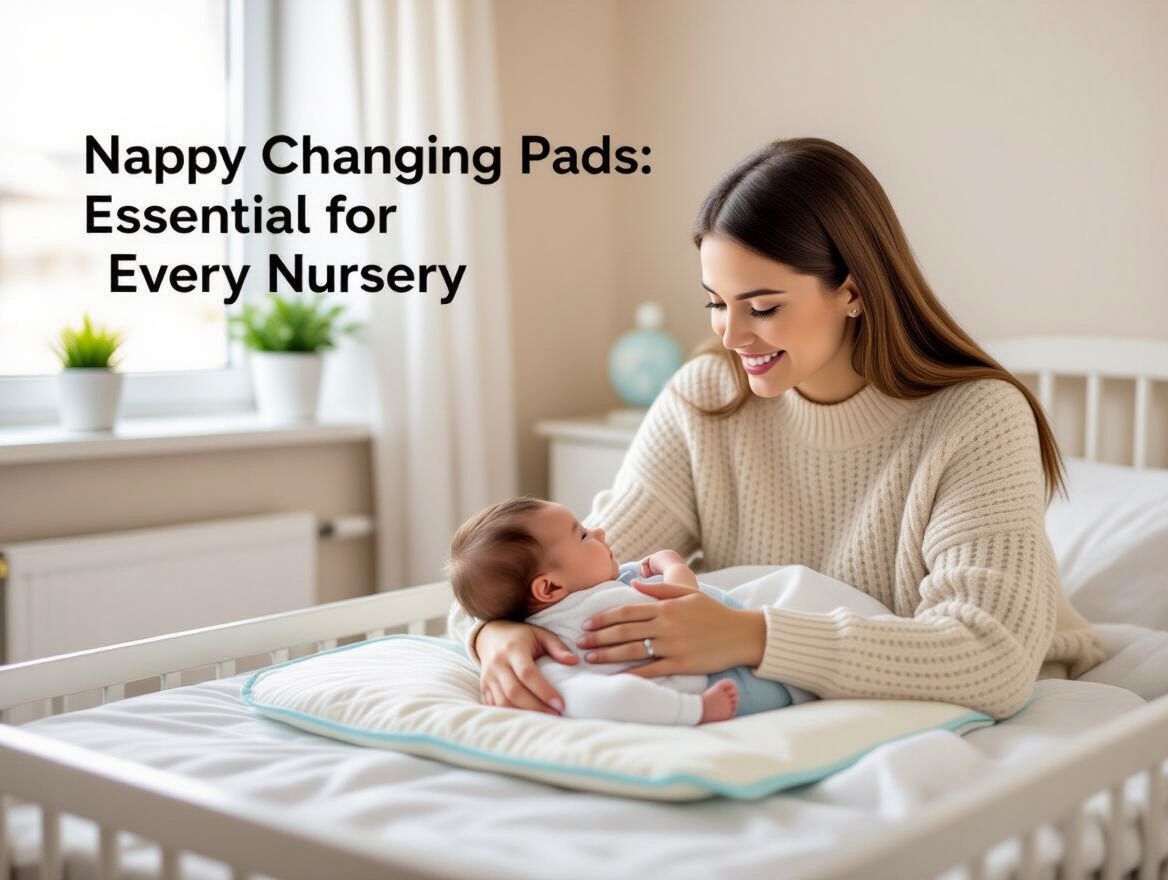
Nappy changing pads serve as a vital component of effective diapering, providing a clean, cushioned surface for changing your baby's nappy. Designed specifically for this purpose, these pads help to streamline the diapering process, making it more comfortable for both parent and child.
Benefits for Parents and Babies
- Hygiene: Nappy changing pads create a barrier between your baby and potentially unclean surfaces, reducing the risk of infections.
- Convenience: Many pads are portable and easy to clean, allowing for quick changes at home or on the go.
- Comfort: Soft materials and cushioning on these pads can help keep your baby comfortable during changes, minimizing fussiness.
- Safety Features: Many pads come equipped with safety straps or contoured designs to keep your baby secure during the changing process.
Context for the Article
This article aims to help parents and caregivers understand the essential features and considerations for selecting nappy changing pads. By evaluating the benefits and trade-offs, you can make an informed decision that best suits your needs and lifestyle. Whether you're a first-time parent or looking to upgrade your current setup, understanding these key aspects will enhance your diapering experience.
Key Features to Look for in Nappy Changing Pads
Selecting the right nappy changing pad is crucial for effective diapering. Here are the essential features to consider when making your choice:
-
Size and Portability:
- Ensure the pad fits your changing area comfortably.
- Look for lightweight designs if you plan to move it around or travel with it.
-
Material and Comfort:
- Opt for soft, hypoallergenic materials to provide comfort for your baby.
- Consider waterproof or water-resistant options for added protection against leaks.
-
Ease of Cleaning:
- Choose pads with removable covers or those that can be wiped down easily.
- Check if the material is machine washable for convenience.
-
Safety Features:
- Look for non-toxic materials free from harmful chemicals.
- Ensure the pad has safety straps or a non-slip base to keep it securely in place during use.
By evaluating these features, you can select a nappy changing pad that meets your needs and ensures a safe, comfortable experience for your baby.
Understanding the Trade-offs of Different Nappy Changing Pads
When selecting nappy changing pads, understanding the trade-offs between various options is crucial for making an informed decision. Each type of changing pad—disposable or reusable—comes with its unique set of advantages and drawbacks that can affect your diapering routine and overall experience.
Disposable vs. Reusable Options
-
Disposable Pads:
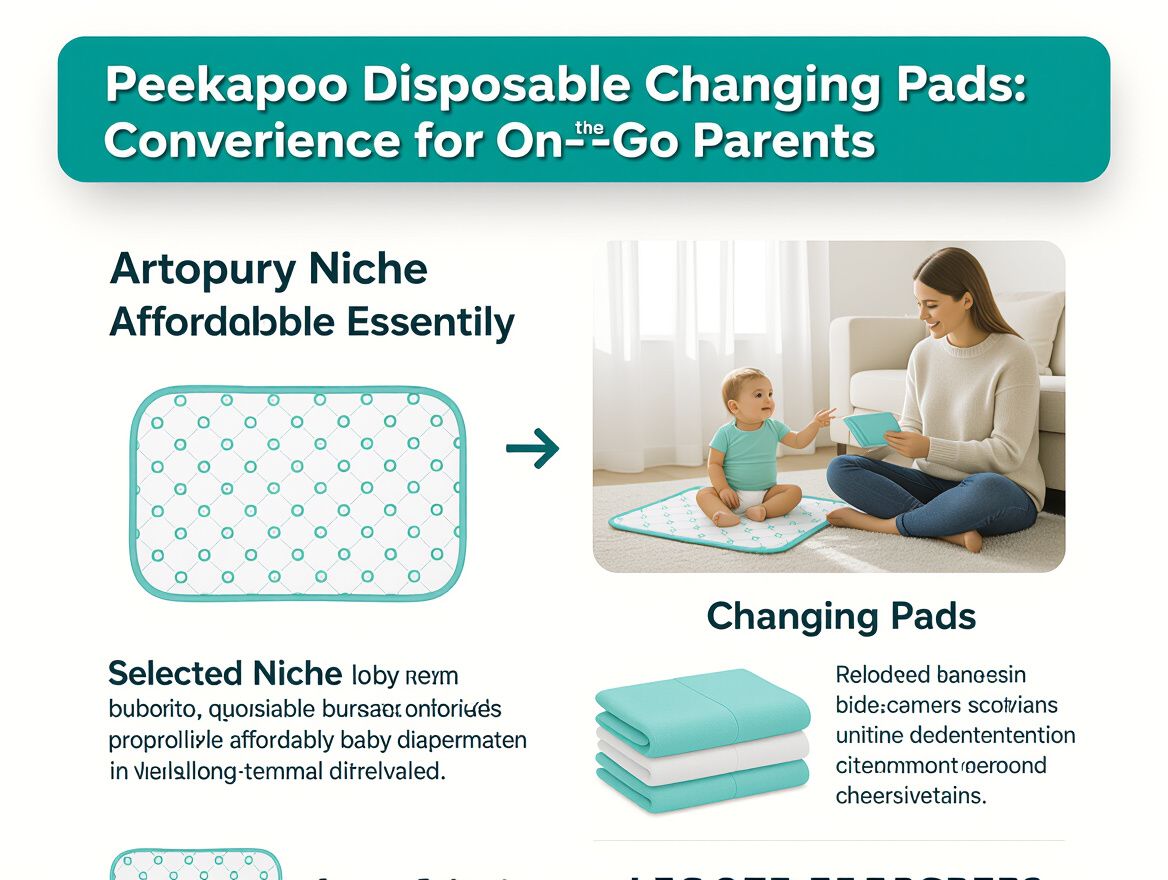
- Pros: Highly convenient for on-the-go changes. They eliminate the need for washing and can be easily discarded after use, promoting hygiene.
- Cons: Ongoing costs can accumulate, and they contribute to landfill waste. Not eco-friendly in the long term.
-
Reusable Pads:
- Pros: Environmentally friendly and often made from soft, durable materials. They can be washed and reused, making them cost-effective over time.
- Cons: Require regular washing, which can be inconvenient. Initial investment may be higher compared to disposables.
Cost Implications
- Initial Investment: Reusable pads typically require a higher upfront cost, but they can save money in the long run as they can be used for multiple children or throughout the diapering period.
- Long-term Costs: Consider how often you plan to change diapers in a day. If you’re frequently changing, the cost of disposables can add up significantly.
Space Considerations
- Size and Storage: Reusable pads may require additional space for washing and drying, while disposable pads can be stored compactly until needed. If space is limited in your nursery, this is an important factor to consider.
- Portability: Disposable pads are often more portable, making them ideal for travel or outings. Conversely, reusable options may come in bulkier sizes, which could impact how easily you can carry them.
In summary, weighing these trade-offs will help you choose the right nappy changing pad that suits your lifestyle, budget, and environmental preferences. Understanding these factors ensures you select a product that aligns with your diapering needs while also considering the broader implications of your choice.
Potential Risks and Limitations of Nappy Changing Pads
While nappy changing pads are invaluable for maintaining hygiene and comfort during diaper changes, several risks and limitations should be considered before making a purchase.
Durability Concerns
- Material Quality: Some nappy changing pads may be made from lower-quality materials that wear out quickly, leading to tears or leaks.
- Wear and Tear: Frequent use can cause pads to lose their shape or cushioning, reducing their effectiveness over time.
Skin Sensitivity
- Allergic Reactions: Babies often have sensitive skin, and certain materials can cause rashes or allergic reactions. It's essential to choose pads made from hypoallergenic materials.
- Chemical Exposure: Some pads may be treated with chemicals for stain resistance or waterproofing, which could irritate a baby's skin.
Storage and Hygiene Issues
- Space Requirements: Nappy changing pads can take up significant space, especially if they are bulkier models. This can be a concern in smaller nurseries or when traveling.
- Cleaning Challenges: Maintaining hygiene is crucial, and some pads are not machine washable, making it harder to keep them clean. Regular cleaning is necessary to prevent bacteria buildup.
By weighing these potential risks and limitations against the benefits of nappy changing pads, parents can make informed decisions that best suit their baby's needs and their lifestyle.
Finding the Right Fit for Your Needs
When selecting a nappy changing pad, it’s essential to consider various factors that cater to your specific situation and preferences. Here’s how to assess your needs effectively:
Assessing Your Space
- Size of the Changing Area: Measure the space where you intend to place the changing pad. Ensure it fits comfortably on your changing table or designated surface.
- Storage Options: Consider whether you need a pad that can be easily stored when not in use, especially if space is limited.
Considering Baby’s Comfort
- Material Choices: Look for pads made from soft, hypoallergenic materials that are gentle on your baby’s skin. Avoid harsh fabrics or chemicals that could irritate.
- Thickness and Support: A thicker pad can provide better cushioning, which may enhance comfort during diaper changes. However, ensure it still fits securely on your changing surface.
Matching Lifestyle Needs
- Portability: If you travel frequently or plan to use the pad in multiple locations, consider lightweight and easily foldable options that don’t sacrifice comfort.
- Ease of Cleaning: Think about your lifestyle and how often you’ll need to clean the pad. Materials that are wipeable or machine washable can save time and effort.
By carefully evaluating these criteria, you can select a nappy changing pad that aligns with your unique requirements, ensuring both you and your baby have a positive diapering experience.
Frequently Asked Questions about Nappy Changing Pads
Understanding nappy changing pads can help parents and caregivers make informed choices. Here are some common questions and answers that address key concerns.
What are the benefits of using a changing pad?
Nappy changing pads offer several advantages, including:
- Hygiene: They provide a clean surface for diaper changes, reducing the risk of germs and bacteria.
- Comfort: Many pads are designed with cushioning to keep your baby comfortable during changes.
- Convenience: They often come with features such as raised edges to prevent your baby from rolling off and waterproof surfaces for easy cleaning.
How do I clean and maintain a changing pad?
To ensure your nappy changing pad remains hygienic and in good condition, consider these maintenance tips:
- Regular Cleaning: Wipe the surface with a mild soap solution or baby-safe disinfectant after each use.
- Cover Care: If your pad has a removable cover, wash it according to the manufacturer's instructions. Look for materials that are machine washable for convenience.
- Inspect for Damage: Regularly check for any tears or wear that may compromise the pad's safety or usability.
Are there any safety concerns?
While nappy changing pads are generally safe, there are some considerations to keep in mind:
- Material Safety: Ensure the pad is made from non-toxic materials, especially if your baby has sensitive skin.
- Stability: Choose pads with a non-slip bottom to prevent slipping during use.
- Supervision: Always supervise your baby during diaper changes, as even a moment of inattention can lead to accidents.
By addressing these common questions, parents can feel more confident in their choice of nappy changing pads and ensure a safer, more effective diapering experience.
Final Thoughts on Choosing Nappy Changing Pads
Selecting the right nappy changing pad is essential for ensuring a smooth and hygienic diapering experience. As you consider your options, keep in mind the following key features:
- Size and Portability: Assess the dimensions to ensure it fits your changing area while also being easy to transport if needed.
- Material Quality: Look for soft, hypoallergenic materials that provide comfort for your baby and are also easy to clean.
- Safety Features: Ensure the pad is made from non-toxic materials and includes safety straps or a non-slip base for added security.
It's important to reflect on your individual needs and lifestyle. For instance, if you frequently travel, a lightweight, portable pad may be more beneficial than a bulkier option. Conversely, if you primarily use it at home, you might prioritize a larger pad with enhanced comfort features.
As you weigh your options, consider the trade-offs involved. For example, while a more affordable pad may seem appealing, it could lack durability or essential safety features. Balancing cost against quality and functionality is crucial for making a wise purchase.
In conclusion, taking the time to evaluate these factors will empower you to make an informed choice that suits both you and your baby. Ensure that your selected nappy changing pad not only meets practical requirements but also aligns with your family's needs. Happy shopping!