Cloth Diaper Wet Bags: Essential for Eco-Friendly Parents
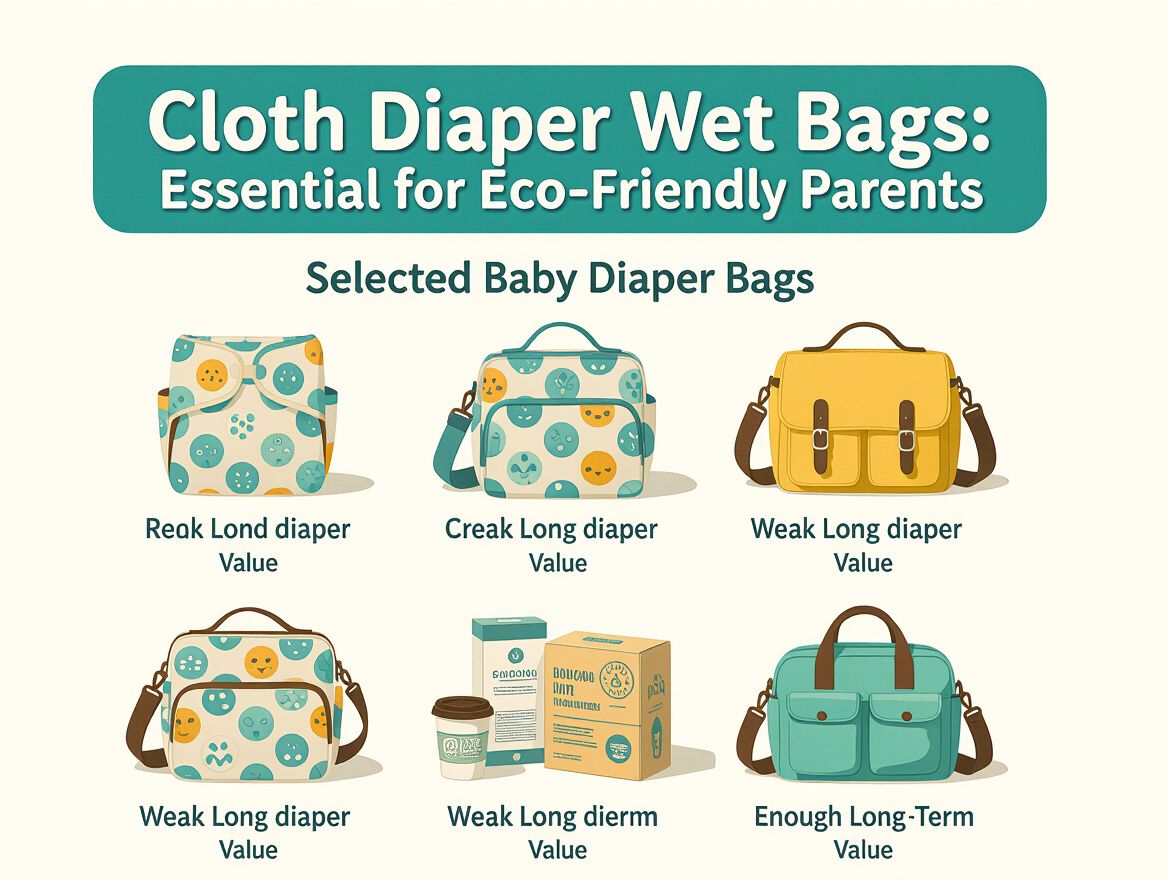
Why Choose Cloth Diaper Wet Bags?
For eco-conscious parents, the journey of diapering can present significant challenges, particularly in balancing environmental responsibility with practicality. Traditional disposable diapers contribute to landfill waste and use non-biodegradable materials, which can be a major concern for those looking to minimize their ecological footprint. This is where cloth diaper wet bags come into play as a sustainable solution.
Cloth diaper wet bags are specifically designed to store soiled cloth diapers until they can be washed. They offer a reusable and environmentally friendly alternative to disposable plastic bags. Here are some key benefits of using cloth diaper wet bags:
- Sustainability: By opting for wet bags, you reduce reliance on single-use plastics, promoting a more sustainable lifestyle.
- Durability: Most wet bags are made from high-quality, waterproof materials that can withstand frequent use and washing.
- Odor Control: Many wet bags come with zippers or drawstrings that help contain odors, making them practical for outings.
- Versatility: Beyond diapers, wet bags can be used for storing swimwear, gym clothes, or any wet items, adding to their utility.
While cloth diaper wet bags serve as a practical solution, parents should consider factors such as size, material, and closure type to ensure they meet their specific needs. Understanding these elements will help you navigate the options available and choose a wet bag that aligns with your eco-friendly values while effectively managing the challenges of cloth diapering.
Key Features to Look for in Cloth Diaper Wet Bags
When selecting cloth diaper wet bags, eco-conscious parents should focus on a few essential features that enhance functionality and usability. Here’s a detailed checklist to guide your decision-making process:
-
Material Type and Durability:
- Look for bags made from high-quality, sustainable materials such as PUL (polyurethane laminate) or recycled fabrics. These materials are not only durable but also eco-friendly, providing a reliable option for daily use.
- Ensure the fabric is easy to clean to maintain hygiene and prolong the life of the bag.
-
Size and Capacity Considerations:
- Assess the size of the wet bag based on your diapering needs. A larger bag may be necessary for long outings or multiple children, while a compact size is more suitable for quick trips or smaller diapering needs.
- Check for options with multiple compartments to help organize clean and soiled items separately, enhancing usability.
-
Waterproofing and Odor Control:
- Verify that the wet bag is fully waterproof to prevent leaks and keep moisture contained. This feature is crucial for maintaining hygiene and protecting other items in your bag.
- Look for bags with odor control features, such as zippered closures or odor-resistant materials, to minimize unpleasant smells during transport.
By focusing on these key features, you can select a cloth diaper wet bag that meets your eco-friendly parenting needs while ensuring practicality and durability.
Understanding the Trade-offs of Cloth Diaper Wet Bags
Cloth diaper wet bags serve as a sustainable solution for eco-conscious parents, but they come with their own set of trade-offs compared to other diaper storage options. Understanding these pros and cons can help parents make informed decisions tailored to their specific needs.
Cost Implications Over Time
- Initial Investment: Cloth diaper wet bags typically require a higher upfront cost than disposable alternatives, which may seem daunting at first.
- Long-Term Savings: Over time, using cloth wet bags can be more economical. Unlike disposable bags that need to be purchased repeatedly, cloth options can be reused for years, significantly reducing ongoing expenses.
Maintenance and Cleaning Requirements
- Cleaning Frequency: Cloth wet bags require regular washing to maintain hygiene. This includes washing them along with diapers to prevent odor and bacteria buildup.
- Durability: High-quality cloth wet bags are designed to withstand frequent washing, but parents should consider the longevity of the material and stitching. A bag that wears out quickly may negate the cost benefits.
Comparison with Disposable Diaper Storage Options
- Environmental Impact: Disposable diaper storage options contribute to landfill waste, while cloth wet bags are reusable and reduce overall environmental footprint.
- Convenience: Disposable bags might offer convenience for parents on the go, as they can be discarded after use. However, they require constant replenishment, which can be less convenient in the long run.
By weighing these trade-offs, eco-conscious parents can determine if cloth diaper wet bags align with their values and lifestyle, ensuring they choose the best option for their diapering needs.
Finding the Right Fit for Your Needs
When choosing cloth diaper wet bags, it's essential to consider how their features align with your specific parenting style and diapering scenarios. The right wet bag can make a significant difference in managing your cloth diapering routine while supporting your eco-friendly lifestyle.
Size Considerations
- Small Bags: Ideal for short outings or quick trips, these bags typically hold a few diapers and are easy to carry.
- Medium Bags: Great for day trips, offering enough space for multiple diapers while remaining portable.
- Large Bags: Suitable for longer outings or full-day use, these bags can accommodate a larger number of diapers and additional items like wipes or changing pads.
Features for Different Uses
- Travel-Friendly Options: Look for wet bags with features such as waterproof linings, zippered closures, and sturdy handles for easy transport. These bags should be compact yet spacious enough for multiple diapers.
- Home Use: Consider larger wet bags with multiple compartments for organizing clean and soiled diapers. A bag that can be hung on a door or a hook can also save space and keep your changing area tidy.
Personal Preferences
- Design and Aesthetics: Choose a wet bag that reflects your style. Many options come in various colors and patterns, allowing you to select one that fits your personal taste.
- Material Choices: Opt for eco-friendly materials that align with your values. Look for bags made from recycled or organic fabrics, which can enhance your commitment to sustainability.
By matching the features of cloth diaper wet bags to your individual needs and preferences, you can enhance your diapering experience while remaining eco-conscious.
Potential Risks of Using Cloth Diaper Wet Bags
While cloth diaper wet bags are a sustainable choice for eco-conscious parents, there are several risks and common pitfalls to consider before making a purchase. Understanding these potential issues can help you make a more informed decision.
-
Misunderstanding Care Instructions: Each wet bag comes with specific care instructions that must be followed to maintain its effectiveness. Failing to properly wash and dry the bag can lead to odors, stains, or even mold growth, negating the eco-friendly benefits you seek.
-
Overestimating Capacity Leading to Leaks: Many parents may underestimate how much a wet bag can actually hold. Overfilling can cause leaks, which not only makes a mess but can also compromise the integrity of the bag. It’s essential to choose a size that fits your diapering needs without pushing the limits.
-
Environmental Impact if Not Washed Properly: Cloth wet bags are designed to be reused, but improper washing can lead to an environmental footprint that contradicts their purpose. If bags are not cleaned regularly or are washed with harsh chemicals, they can contribute to pollution rather than reduce waste.
By keeping these considerations in mind, you can better navigate the choice of cloth diaper wet bags and ensure they meet your family's eco-friendly needs without the associated risks.
Frequently Asked Questions About Cloth Diaper Wet Bags
What materials are best for wet bags?
When selecting cloth diaper wet bags, the material is crucial for both functionality and sustainability. Common materials include:
- PUL (Polyurethane Laminate): Waterproof and durable, PUL is a popular choice as it effectively contains moisture and odors.
- Cotton: Breathable and eco-friendly, cotton options are often uncoated, making them less effective for wetness but great for dry storage.
- Wool: Naturally water-resistant and breathable, wool can be a sustainable choice, though it requires more care to maintain.
Choosing the right material depends on your specific needs, such as how often you'll be using the wet bags and your environmental preferences.
How many wet bags do I need?
The number of wet bags you require can vary based on your lifestyle and cloth diapering routine. Consider the following:
- Daily Usage: If you plan to use cloth diapers full-time, having at least 3-5 wet bags can ensure you always have a clean one available.
- Travel vs. Home Use: For travel, you might need extra bags to separate clean and soiled items, while at home, fewer bags may suffice.
- Size Considerations: Larger bags can hold more but may be bulkier, while smaller bags are portable but may require more frequent washing.
Can wet bags be used for other purposes?
Absolutely! Cloth diaper wet bags are versatile and can serve multiple functions, including:
- Storing Wet Clothes: Ideal for swimsuits or workout gear after a gym session.
- Travel Organizers: Use them to separate dirty laundry from clean clothes during trips.
- Snack Bags: Some parents repurpose smaller wet bags for snacks, ensuring they are leak-proof and easy to clean.
This multifunctionality makes wet bags a practical addition to your eco-friendly lifestyle, extending their value beyond just diapering needs.
Making the Right Choice for Your Family
Choosing the right cloth diaper wet bags is crucial for eco-conscious parents looking to minimize waste while ensuring practicality in their diapering routine. The right wet bag not only helps in managing soiled diapers but also aligns with sustainable practices that benefit the environment.
When selecting a wet bag, consider the following factors:
- Material: Look for bags made from eco-friendly materials such as PUL (polyurethane laminate) or organic cotton, which are both durable and waterproof.
- Size and Capacity: Assess how many diapers you typically use in a day. A larger capacity bag may be necessary for outings or travel, while a smaller one might suffice for daily use.
- Closure Type: Zipper closures provide a more secure seal against odors, while drawstring options offer ease of use but may not contain smells as effectively.
- Design and Portability: Consider whether you prefer a bag that can be attached to a stroller or one that fits easily in a diaper bag. A compact design can be beneficial for parents on the go.
Understanding these criteria will help you choose a wet bag that fits your lifestyle and values. Remember, the best choice will vary based on your personal needs and preferences. Take the time to evaluate what aspects matter most to you, ensuring that your decision is informed and aligned with your eco-friendly goals.